
Last updated November 15, 2026
 Wrought iron
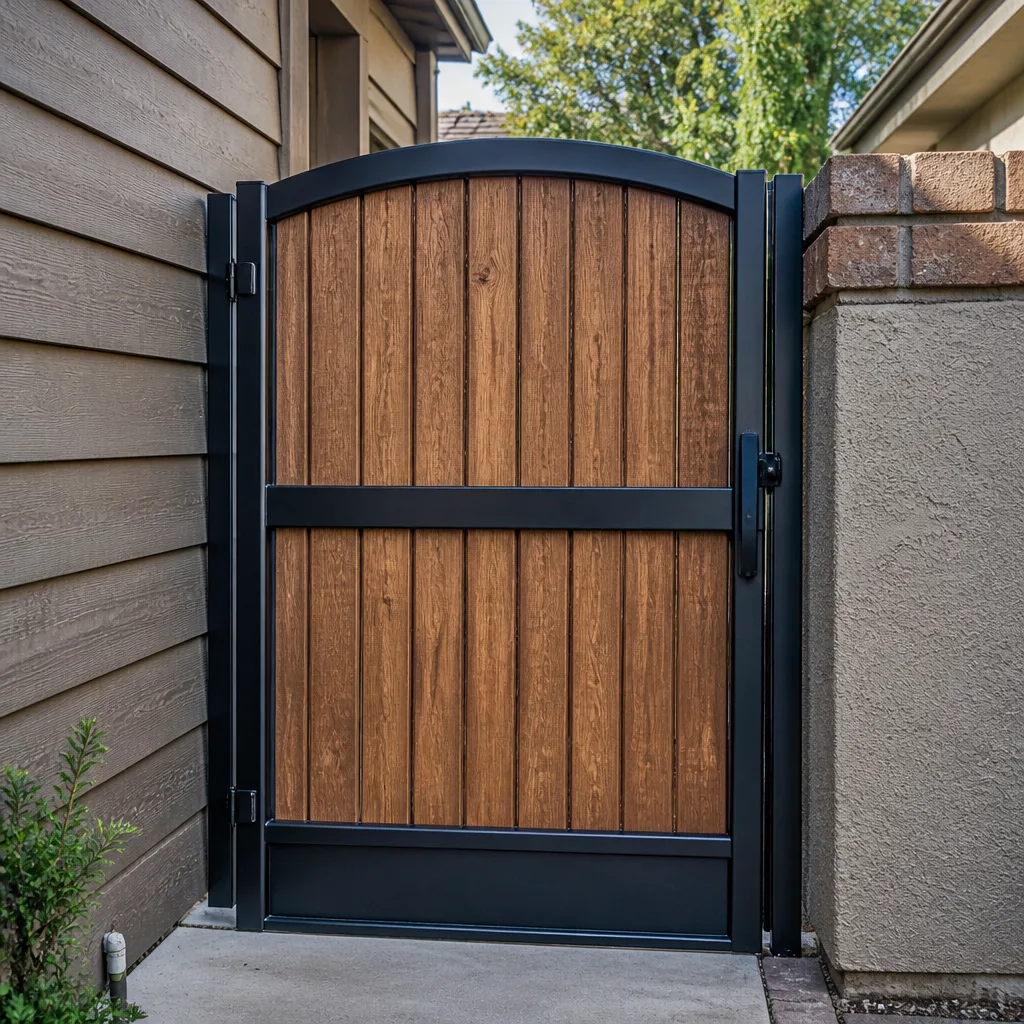 Wood & steel frame
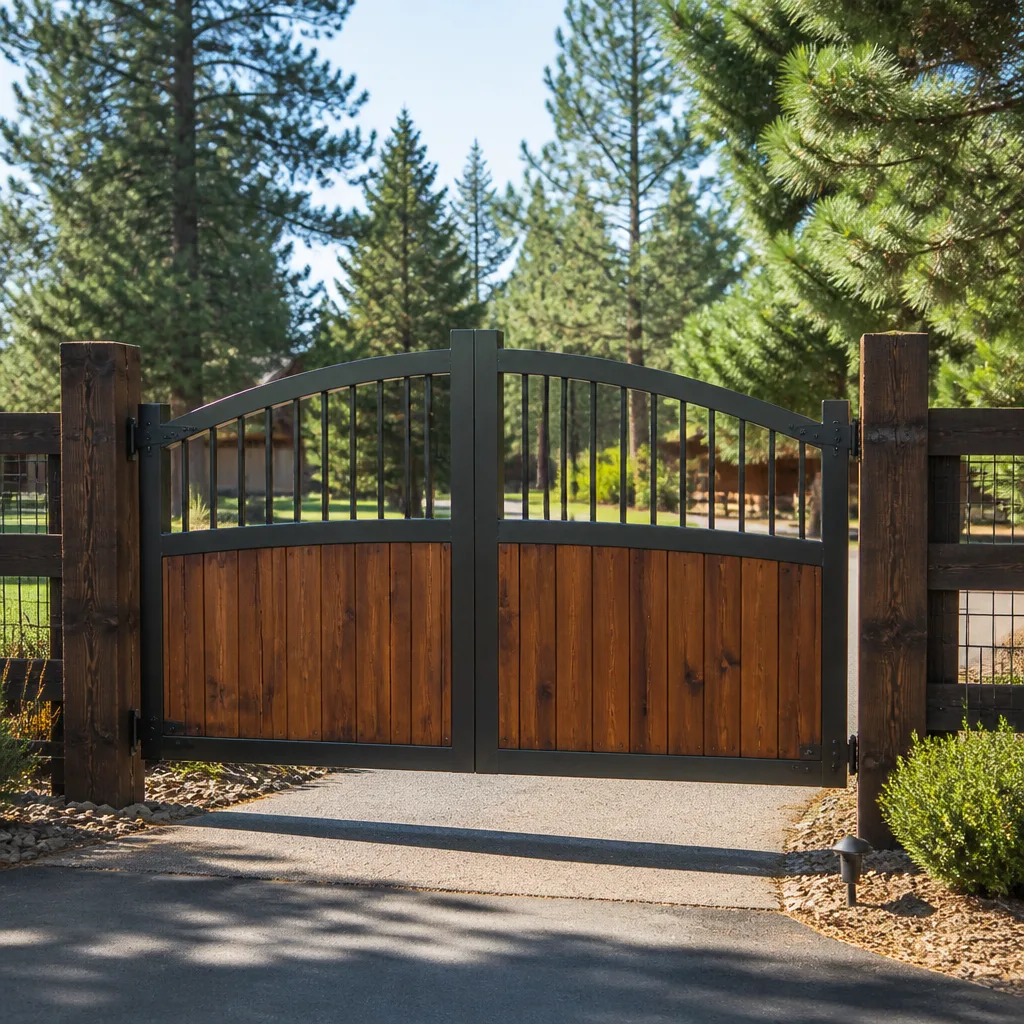 Farm & ranch
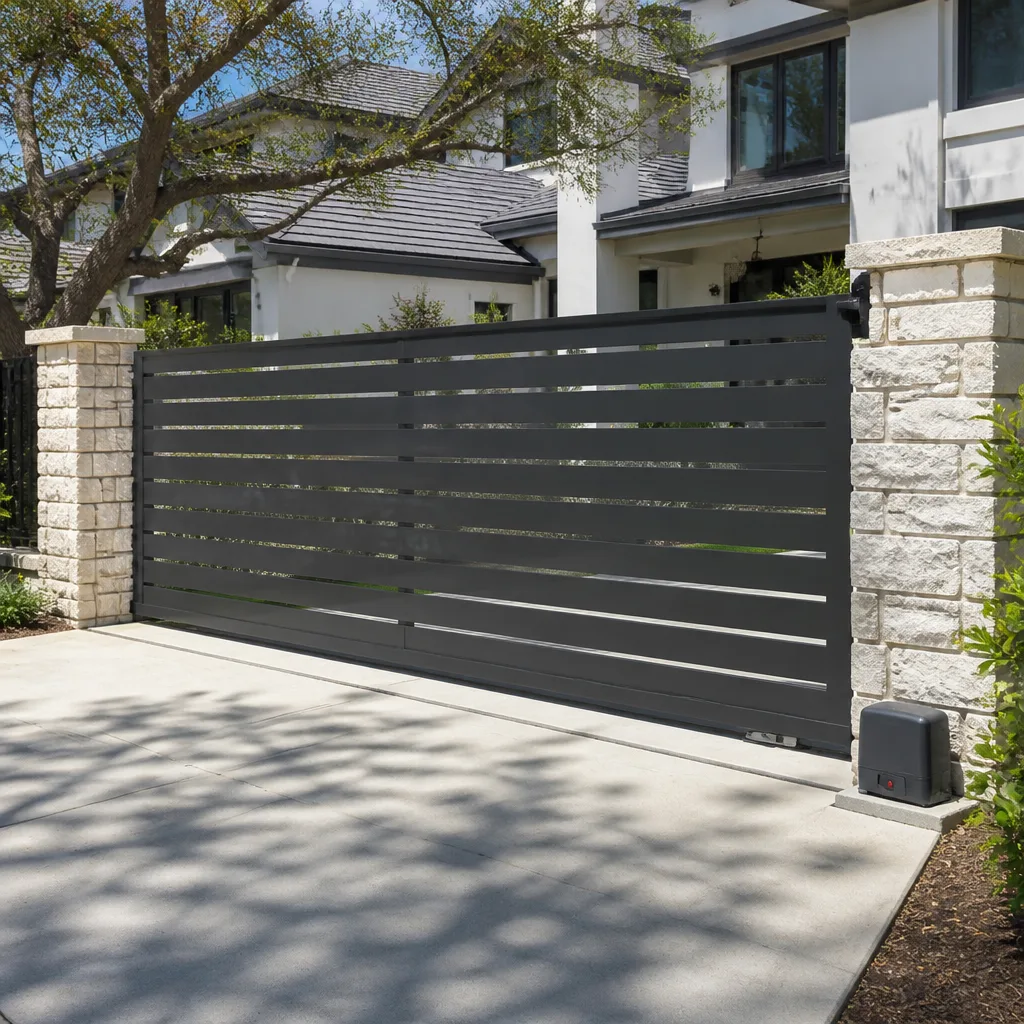 Sliding driveway gates
 LiftMaster operators
Free on-site gate assessment - hinges, posts, and your LiftMaster or Nice gate operator checked before anything is quoted
The assessment is free and the quote is the invoice.
Get your free estimateDIY vs Professional Gate Repair: The Jersey City Homeowner’s Decision Guide
Replacing a worn gate latch is a twenty-minute job with a screwdriver and a new part from the hardware store. Adjusting the limit switches on an automated operator without the manual in front of you is a forty-minute job that frequently ends with a service call, a gate that now reverses mid-travel, and in some cases a warranty that no longer covers the motor. The difference between those two outcomes has nothing to do with how handy you are. It’s about knowing which repairs punish mistakes and which ones forgive them. This guide draws that line repair by repair, so you can handle the jobs worth handling in Jersey City and hand off the ones that cost more when they go wrong.
Quick Answer
Roughly half of common gate repairs have a high DIY success rate with standard hand tools: latches, hinges, rollers, physical stops, and visual inspections. The other half – electric operator programming, post realignment, and anything involving a heavy gate panel under tension or a live power feed – usually costs more to fix after a failed DIY attempt than a professional visit would have cost up front. If your gate is powered, automated, or visibly out of plumb, the professional side of that line is where you want to be.
Styles & brands we work with
- Wrought iron
- Wood & steel frame
- Farm & ranch
- Sliding driveway gates
- LiftMaster operators
Table of Contents
- Repairs With a High DIY Success Rate
- Where DIY Attempts Increase Your Total Cost
- Jersey City Factors That Change the DIY Calculation
- How to Do DIY Prep Work That Lowers Your Bill
- The Two Safety Thresholds Where DIY Stops
- Why Diagnosis Comes Before Any Quote
- Common Mistakes to Avoid
- When to Call a Professional
Repairs With a High DIY Success Rate
These are the gate repairs where a careful homeowner with basic tools and a free afternoon gets a good result. We define “success” narrowly: the gate operates as intended, the fix holds for the normal service life of the part, and nothing else on the gate is disturbed in the process. If a repair meets all three, it belongs on your side of the line.
Here’s the list, with what a genuine success looks like for each:
- Latch replacement. Success means the gate latches from both directions without a lift, shimmy, or shove, and the strike plate still lines up after a week of use. A latch is a bolt-on part; if it doesn’t line up, you’ve learned something useful about the gate’s alignment.
- Hinge pin and bushing replacement on a light pedestrian gate. Success means the gate swings through its full arc without binding and stays where you leave it. If the gate still sags after new hinges, the problem is the post, not the hinge.
- Roller and track replacement on a sliding gate. Success means the gate rolls by hand with steady resistance and no jump at any point in travel. Rollers are consumables; replacing them is routine.
- Physical stops and hold-open hardware. Success means the gate stops where it should and can’t over-travel into a fence, wall, or vehicle. These are simple bolt-on fittings with no adjustment logic.
- Visual inspection and record-keeping. Success means you know your gate’s brand, model, and operator type, you’ve photographed the data plates, and you can describe the failure in plain terms. This is genuinely the highest-value DIY work on the list.
- Clearing debris and lubricating moving parts with the manufacturer’s recommended lubricant. Success means smoother travel and less noise, with no new squeaks introduced.
The unifying trait: every item above is a bolt-on or a clean-and-lubricate task. None of them require you to adjust a spring, reprogram logic, or work near a live electrical feed. That’s the boundary. A manual gate in a Jersey City backyard or a small commercial courtyard is usually a reasonable DIY candidate for these jobs.
Where DIY Attempts Increase Your Total Cost
This is the part most guides skip. Certain repairs don’t just fail when attempted by a non-specialist – they fail in a way that makes the follow-up visit more expensive than the original repair would have been. Across three categories, DIY attempts reliably increase total cost.
1. Electric operator adjustments and reprogramming
Limit switches, force settings, reverse sensitivity, remote pairing, and photo-eye alignment all live in the operator’s control board. Every manufacturer handles these differently. A BFT board and a Linear board don’t share terminology, let alone procedure. Adjusting a limit switch by trial and error can drive the gate into a hard stop, which stresses the operator’s gear train. Reprogramming force settings too high defeats the safety reverse. If the operator manual is missing – and it usually is – you’re guessing at parameters that govern whether the gate stops for a person or a car.
2. Post realignment and gate sag correction
A gate that has dropped, twisted, or stopped latching is telling you something about its posts, hinges, or footing. Guessing at the cause means you may shim a hinge when the real problem is a post that has moved. The temporary fix holds for a season, the sag returns, and now you’re paying for the original diagnosis plus the correction of your shim work. On a powered gate, a misaligned panel also drags on the operator – which turns a geometry problem into a motor problem.
3. Anything involving springs, counterweights, or stored energy
Manual and automated gates store energy in counterbalance systems. Adjusting that system requires understanding how the load is distributed and what happens if it releases unexpectedly. We’ll cover this in more detail under the safety thresholds. For now, note that a failed DIY attempt on a counterbalance doesn’t just cost money – it can cost a finger or worse.
There’s a fourth category worth naming: anything a homeowner attempts on a brand-new operator still under manufacturer warranty. Many warranties exclude damage from unauthorized adjustment. One DIY misstep on a Ghost Controls or Viking board can void coverage on a component that was going to fail on its own eventually. That’s a silent cost most people don’t see until months later.
Jersey City Factors That Change the DIY Calculation
The general rules above apply anywhere. But Jersey City has three specific conditions that shift the DIY line in ways homeowners don’t always anticipate.
Urban lot geometry
A lot of the housing stock in Jersey City – from rowhouses in the Heights to tighter parcels near downtown – puts gates in narrow side yards, shared driveways, or alleys. That means limited swing space and limited work space. For a professional, that’s a known condition: we plan the disassembly and reassembly with the constraint in mind. For a homeowner, it’s where simple jobs become frustrating ones. Replacing a hinge on a gate that can only open 60 degrees before hitting a fence is a different task than the same job on a freestanding gate with clearance on both sides.
Condo and HOA rules that prohibit owner modifications
If you own a unit in a condo association or your property is governed by an HOA, the gate is often shared infrastructure – and shared infrastructure usually isn’t yours to modify. Bylaws frequently prohibit owner repairs on shared gates and can prohibit owner-installed automation entirely. Before you take a screwdriver to a common gate, check your building’s rules. A repair that violates a bylaw can cost more in assessments than the repair itself. This is one place where the professional side of the line is simply the correct side: a licensed and insured technician working with the building’s approval is a cleaner path than an owner attempt that breaches the rules.
Permits for certain gate work
Not every repair requires a permit. But new gate installation, structural changes to posts or footings, and some electrical work on a permanently wired operator may. Most cities require a permit for structural gate work, so ask your city’s building department before you plan. Your city’s building department is the authority on what applies to your specific parcel. A professional can tell you which category your job falls into before you start, which prevents a “simple” DIY project from becoming a compliance issue.
How to Do DIY Prep Work That Lowers Your Bill
Even when the core repair is out of DIY scope, there’s real value in doing effective prep. A well-prepared call reduces diagnostic time, and reduced diagnostic time reduces your bill. Here’s a sequence that consistently helps, whether you’re on your own or handing the job off.
- Photograph everything before you touch anything. The gate from both sides, the operator housing, the data plate on the operator, the hinges, the track or rollers, and any visible damage. Photos of the working state are worth more than photos of the broken state, because they show what correct looks like.
- Write down the brand and model. Locate the data plate on the operator or gate hardware. Note the brand (for example BFT, Linear, or Ghost Controls) and the model reference. This one detail can save ten minutes of on-site investigation.
- Describe the failure in plain language. “The gate opens, then reverses halfway back” is more useful than “it doesn’t work.” Note when the fault started, whether it’s consistent, and whether anything changed beforehand – a power bump, a fallen branch, a new remote added.
- Test what you can safely test. On a manual gate, check swing by hand. On an automated gate, note the behavior of the safety reverse with nothing in the path. Do not open an operator housing or touch wiring. Testing behavior is DIY-safe; testing components is not.
- Clear the workspace. Move vehicles, tools, and stored items out of the gate’s arc and out of the technician’s path. In a narrow Jersey City side yard, that twenty minutes of clearing pays for itself.
- Locate the manual if you have it. A printed manual or a model reference that leads us to the right one shortens the job.
This prep is not a substitute for a proper diagnosis. It’s what makes the diagnosis faster. When we can identify the operator system from photos and a model number, we arrive with the right parts knowledge and the right test sequence, which is where the savings compound.
The Two Safety Thresholds Where DIY Stops
Two categories on a gate carry genuine physical risk. Both are places where professional engagement isn’t optional. We’re not being cautious to protect our trade here – we’re being direct about what a gate can do to a person who misjudges it.
Threshold one: the gate panel’s stored energy
Heavy gate panels, counterweights, and any hardware holding stored energy are the single most dangerous part of gate work. A panel that comes off its track mid-repair can crush a hand or knock a person off balance. A counterweight that releases unexpectedly carries more force than the person trying to slow it. These aren’t parts you “try” and then back off if it feels wrong. The correct approach is to support the panel, release the energy in a controlled way, and work from a position that isn’t in the panel’s fall path – which requires training and the right equipment. If your repair requires you to remove, support, or re-energize a heavy gate panel, stop there and bring in a professional.
Threshold two: the operator’s electrical system
Electric gate operators run on line voltage, and their control boards, transformers, and photo-eye circuits sit at inside the housing. Opening that housing, disconnecting wiring, or working near live conductors without knowing the system’s architecture creates a real shock and fire hazard. This includes the battery backup circuits on newer operators, which can look harmless and aren’t. Electrical work on a gate operator should always be handled by someone who does it regularly. Our electric gate repair specialists handle this side of the trade specifically, because the skill set is different from mechanical repair.
A third, related risk on sliding gates: a panel that comes off its track can fall on the person standing at the edge of it. That’s a category where the professional engagement isn’t about skill – it’s about having someone on-site who knows what a failing track looks like before the panel leaves it.
Why Diagnosis Comes Before Any Quote
One reason DIY attempts get expensive is that they begin with a guess. A homeowner replaces the latch because the gate won’t stay closed, when the real problem is a hinge that’s dropped two millimeters. The latch fails again, and the homeowner is now on the second part and the gate still won’t close. A professional visit starts with a diagnosis, not a repair, and that sequence is what saves the customer money.
This is where gate-only focus pays off. Our technicians have up to 15 years of experience and work exclusively on gate systems – repair, gate repair, and installation. We work on systems from LiftMaster, FAAC, BFT, Linear, Viking, Ghost Controls, DoorKing, Elite, and Mighty Mule. Working across nine distinct manufacturer systems builds pattern recognition that a single-brand or general-handyman service doesn’t develop. We’ve learned how a BFT operator typically fails versus how a Ghost Controls unit typically fails: same symptom, different root cause. That pattern recognition is what lets us diagnose before we quote, and why homeowners who call us after a failed DIY attempt usually get a single visit that resolves the problem.
For Gate Repair Jersey City, that process is the same whether the call is a routine repair or a complex electric fault: listen to the symptom, inspect the system, identify the root cause, then quote. A written estimate sets the final price, and the work doesn’t start until we’ve both agreed to it.
Common Mistakes to Avoid
- Starting with the part instead of the symptom. Replacing a component because it “feels right” wastes money when the failure is elsewhere. Diagnose first; replace second.
- Adjusting an operator without the manual. Trial-and-error on limit switches and force settings can stress the gear train and disable the safety reverse. If you don’t have the manual and the model reference, wait for a technician.
- Ignoring condo or HOA rules. Shared gates in Jersey City buildings are frequently governed by bylaws that restrict owner modifications. Check the rules before you touch the gate.
- Letting a small misalignment run. In Jersey City’s narrow side yards, a gate that drags slightly on a fence or track adds load to the operator with every cycle. Small alignment problems become motor problems if they’re ignored.
- Opening an operator housing to “just look.” Line voltage and battery backup circuits sit inside. Visual inspection from outside the housing is safe; opening it isn’t.
- Forgetting to record the brand and model. Homeowners who photograph the data plate before calling get a faster, cleaner diagnosis than those who can only describe the gate.
- Assuming a repair voided the warranty doesn’t matter. If a DIY attempt damages a component under manufacturer warranty, the coverage can be lost on that component. That’s a cost you won’t see until a later failure.
What Happens When You Call
When you call, we ask for the gate’s brand and model, a description of the failure, and photos if you have them. From that, we schedule a visit and prepare with the right test sequence. We answer 24/7. Fast dispatch from 7am to 7pm, Sunday through Friday. We’re closed on Saturday, so a call placed on Saturday books a visit for the next opening on Sunday. The estimate is free, and the price is quoted and agreed before any work starts, so there’s no invoice surprise.
If your gate is manual and the repair is one of the bolt-on jobs listed earlier, we’re happy to answer a question about it. If it’s electric, automated, or the panel is out of plumb, the fastest path is a proper diagnosis.
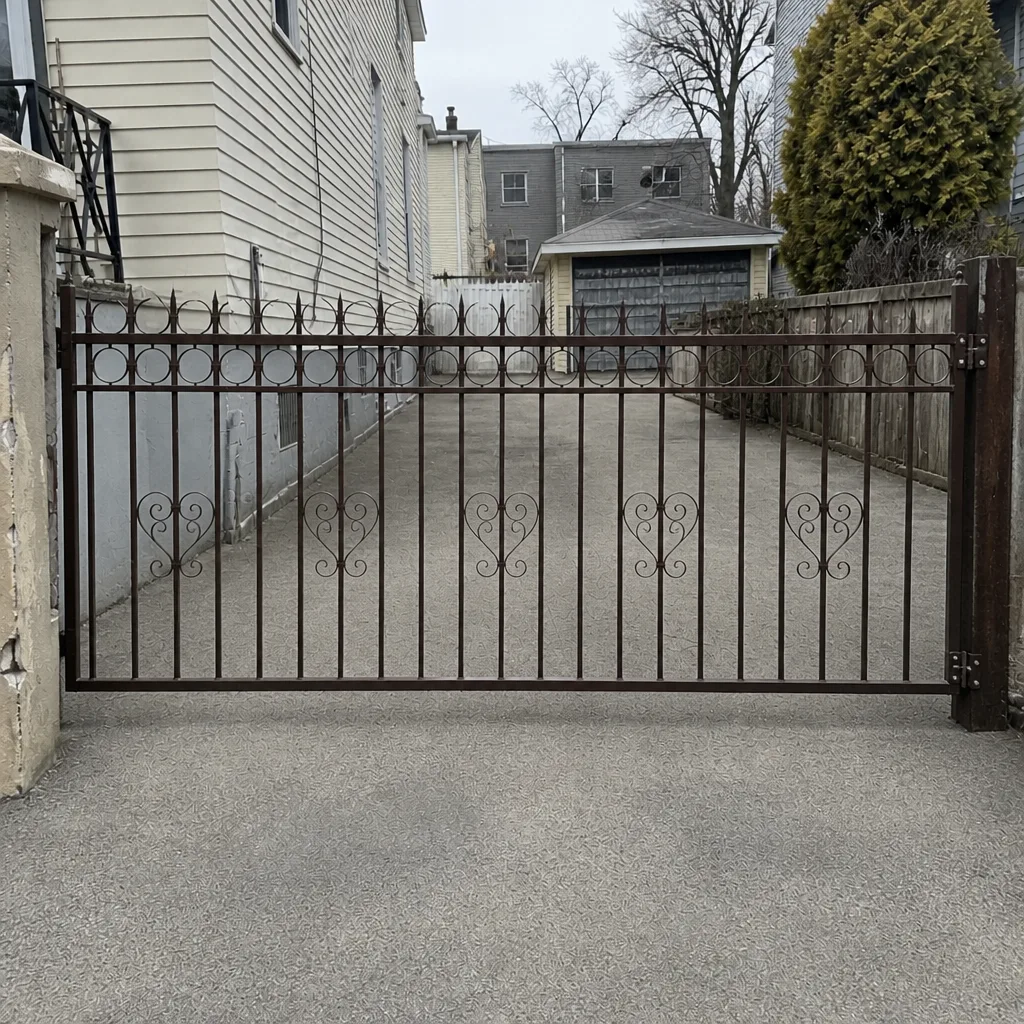
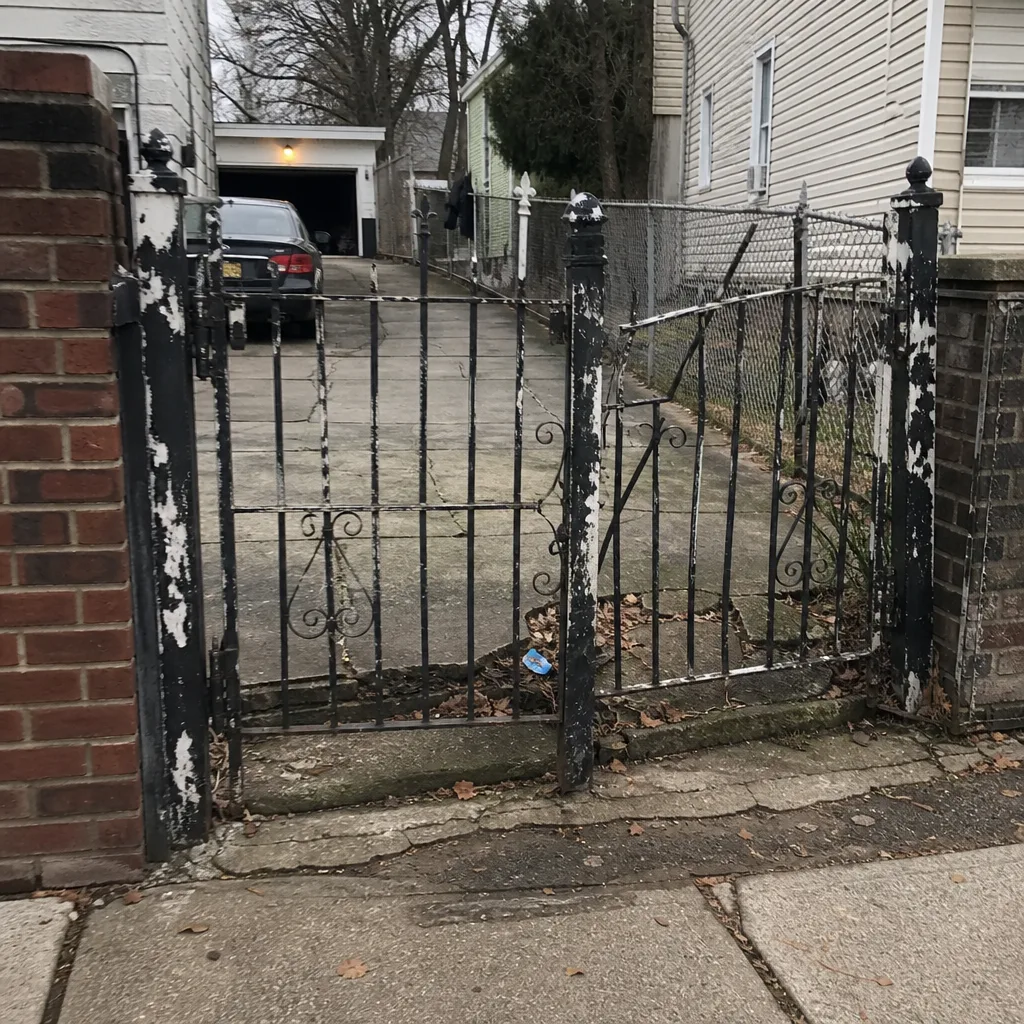
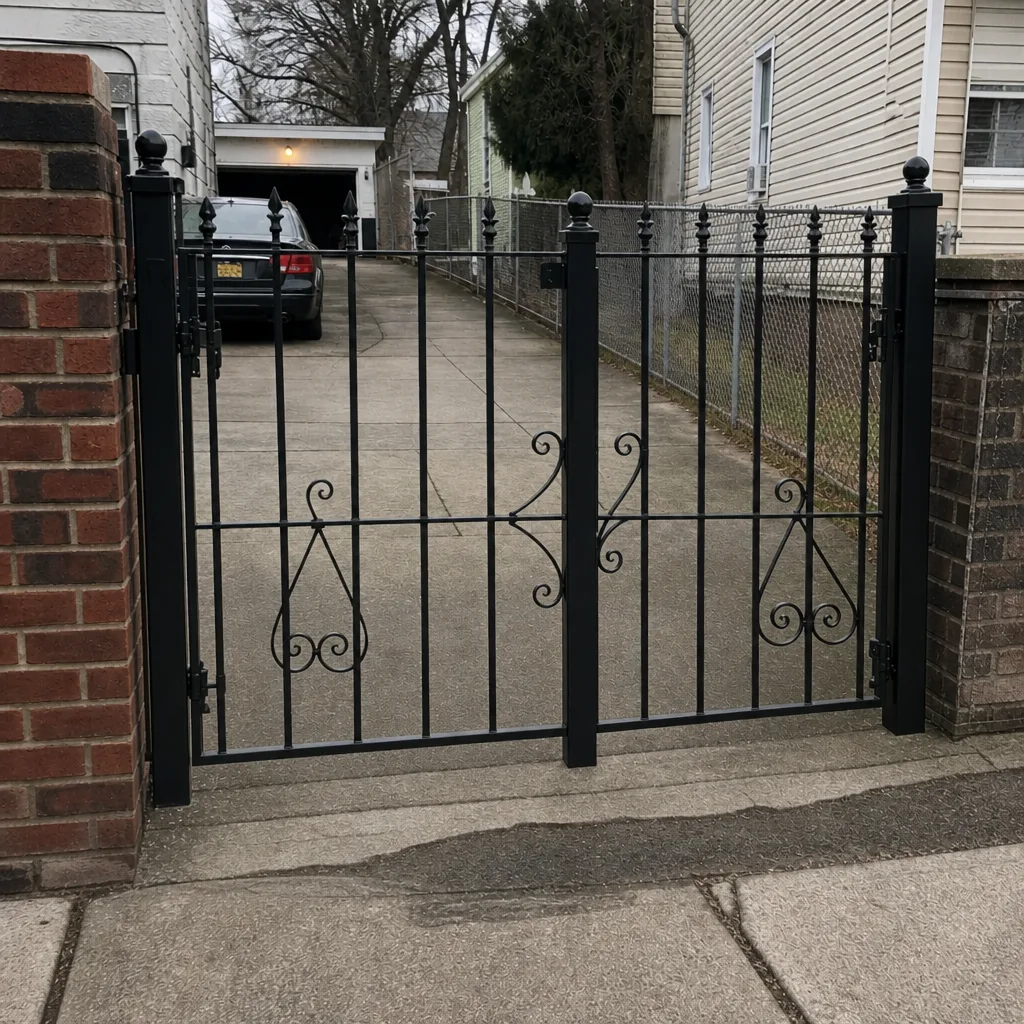
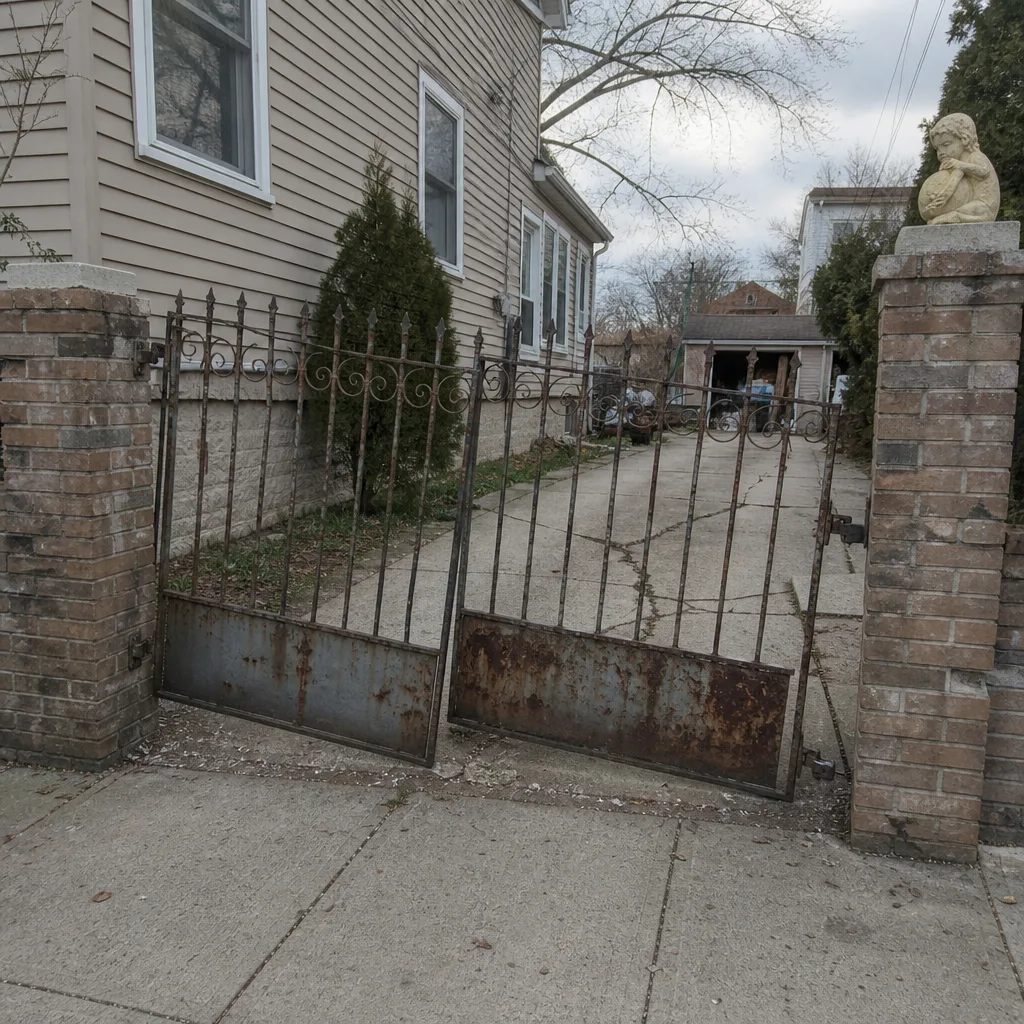
See the difference
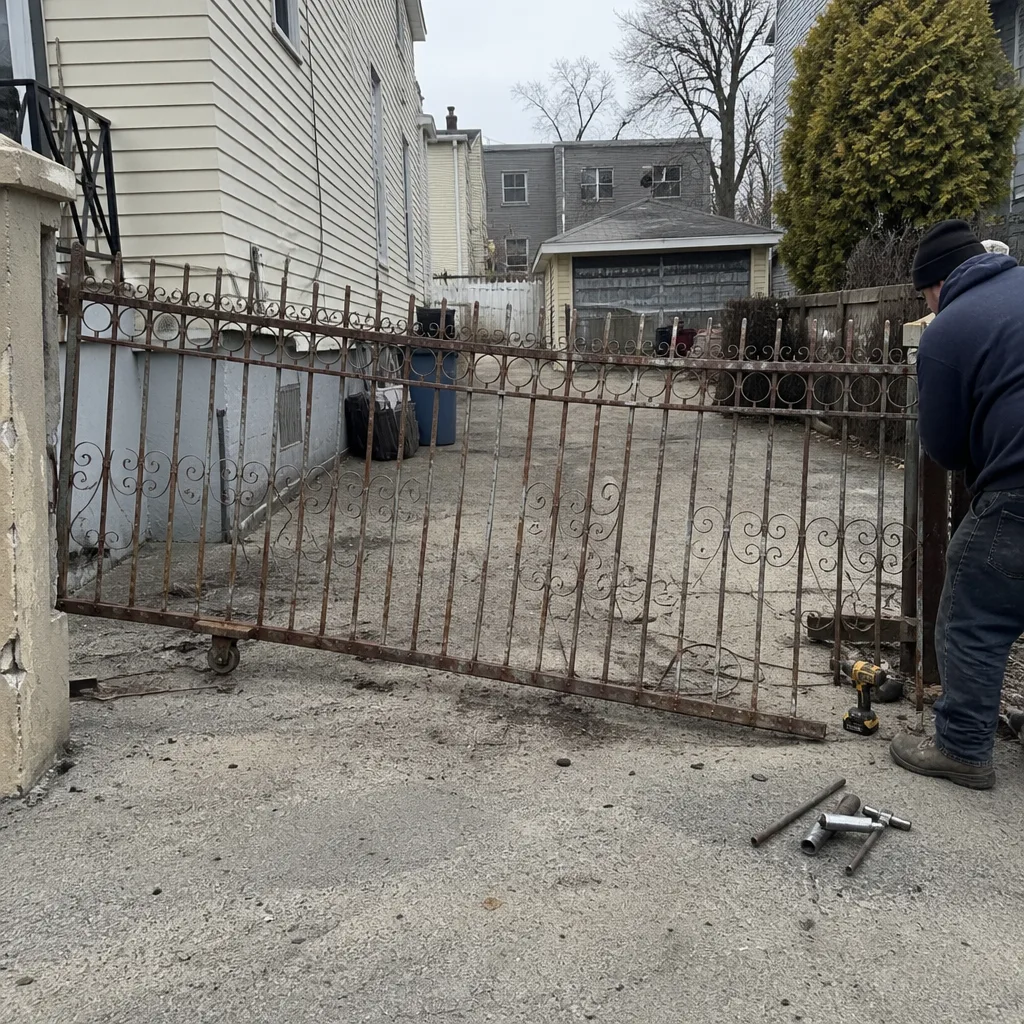 Before
 After
 Before
 After
 Before
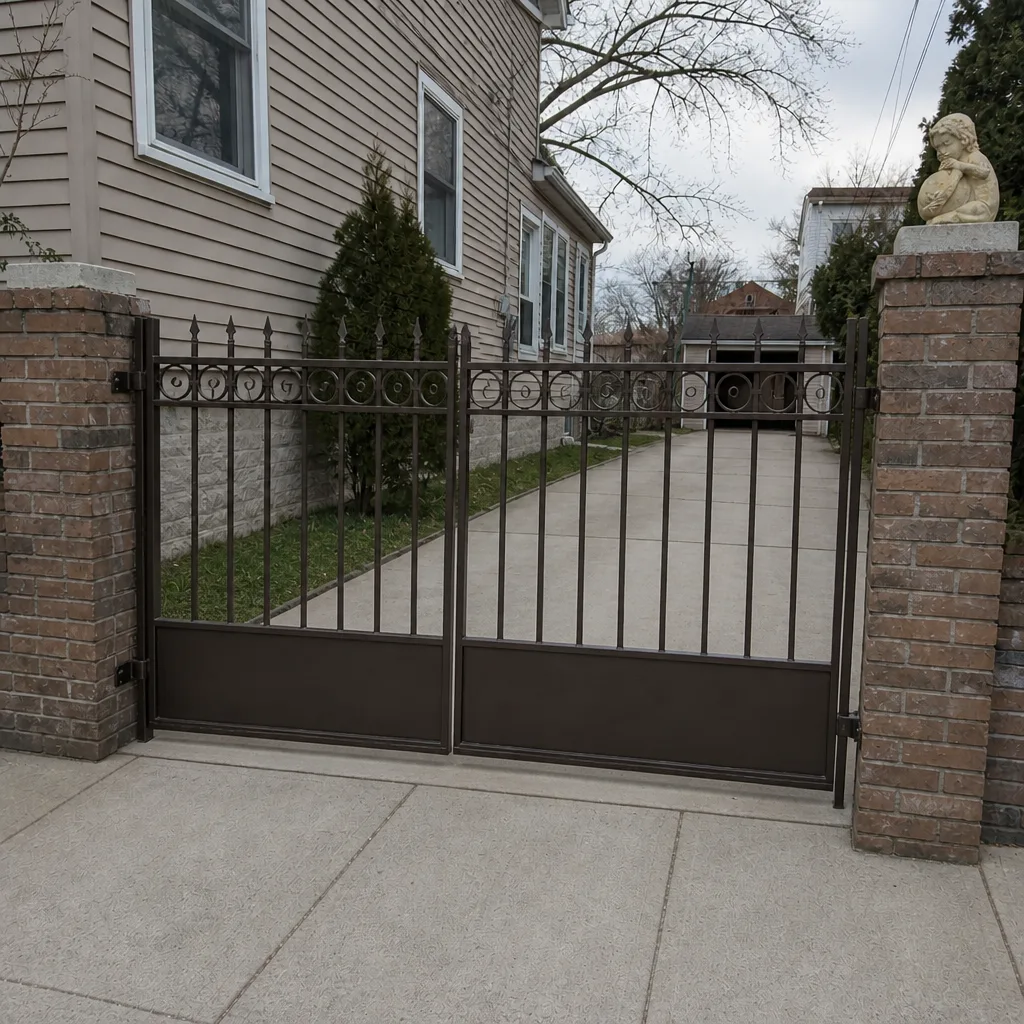 After
When to Call a Professional
Call us when the repair crosses any of these lines: the gate is powered or automated; the panel is out of plumb, sagging, or off its track; the failure involves springs, counterweights, or stored energy; or the fix needs access to the operator’s wiring or control board. Call us also when a DIY attempt hasn’t held, when the building has bylaws governing the gate, or when the diagnosis isn’t obvious from the symptom. This is the point where guesswork costs more than a professional visit. Gate Repair Jersey City offers free estimates in Jersey City – call (855) 701-9639. Technicians who work exclusively on gates can diagnose your system before quoting, so you know what the job is and what it costs before anything starts.
Frequently Asked Questions
Gate repair is priced per job, based on a written estimate after we inspect the gate, since a latch replacement and an operator fault are entirely different scopes. Estimates are free, so it costs nothing to find out where your repair falls. Call (855) 701-9639 for an exact quote – estimates are free.
Yes, we work on systems from nine major gate and gate-operator brands: LiftMaster, FAAC, BFT, Linear, Viking, Ghost Controls, DoorKing, Elite, and Mighty Mule. Because we service competing manufacturers, our recommendations are based on your system, not on what parts happen to be on hand. If your gate isn’t on that list, call and describe it – we’ll tell you honestly whether we’re the right fit.
Sometimes, if the fix is limited to re-pairing a remote that was already paired, and the manual is available. Often it isn’t – the failure can be in the receiver, the board, or the safety circuit, and diagnosing that requires opening the housing. Electric gate repair is a distinct capability, not a general repair task. Call (855) 701-9639 and we’ll help you figure out which side of the line your remote issue falls on.
Because a gate in a condo or HOA building is usually shared infrastructure, and the bylaws often govern who’s permitted to modify it. Some prohibit owner repairs on shared gates entirely; others allow them only with board approval and licensed work. The rule of thumb: check your building’s rules before any repair that isn’t a reversible, cosmetic touch-up. A professional documented visit is often the cleaner path.
A full installation typically includes measuring the opening and assessing the posts and footing, selecting the gate and any operator, planning the power run and safety edges for powered systems, securing any required permits, and the installation itself. It’s a measured, ordered, and scheduled job, not a same-day one – the right sequence takes time. Call (855) 701-9639 for a free measure and a written price.
Yes. Power runs and safety edge circuits are part of the electric gate work we handle, and they need to be right before a powered gate goes into daily use. If you’re planning a new automated gate or your safety edge has stopped responding, call (855) 701-9639 for a free estimate.
The Bottom Line
The DIY decision isn’t about skill – it’s about consequence. Latches, hinges, rollers, stops, and inspection are genuinely DIY-friendly with standard tools. Electric operator work, post realignment, and counterbalance systems are the repairs that cost more when they fail than a professional visit would have cost to begin with, and two of those categories carry real physical risk that no amount of caution compensates for. In Jersey City, add narrow urban side yards, condo bylaws, and permit checks to the calculation. When a repair crosses any of those lines, a gate specialist who works on nine major brands can diagnose before quoting, and the written estimate sets the price before anything starts.
Contact Us
If your gate repair falls on the professional side of the line, call (855) 701-9639 for a free estimate. We answer 24/7. Fast dispatch from 7am to 7pm, Sunday through Friday. Our technicians have up to 15 years of experience and work exclusively on gate systems – repair, electric gate repair, and installation. If you’re in Jersey City and you’re not sure which category your repair falls into, call and describe it. We’ll tell you.
Written by the team at Gate Repair Jersey City.