
Last updated November 15, 2026
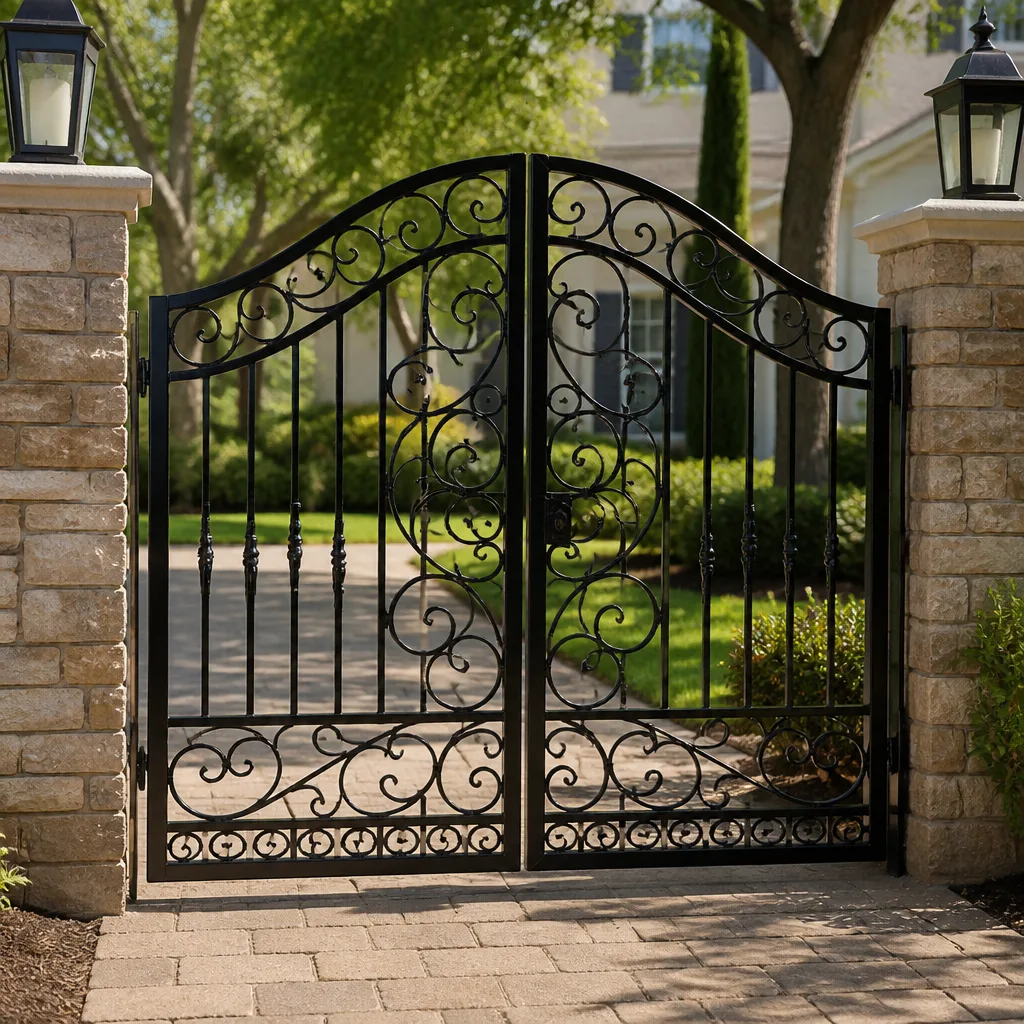 Wrought iron
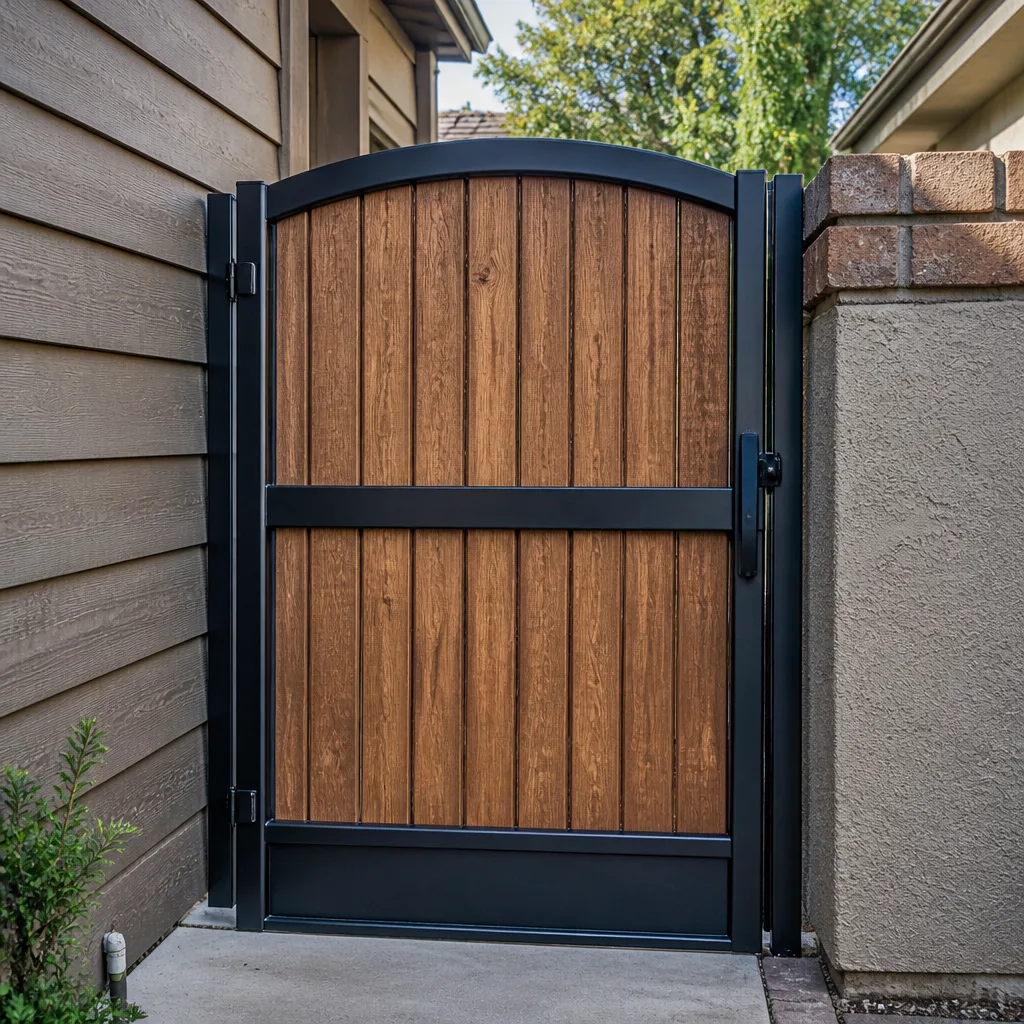 Wood & steel frame
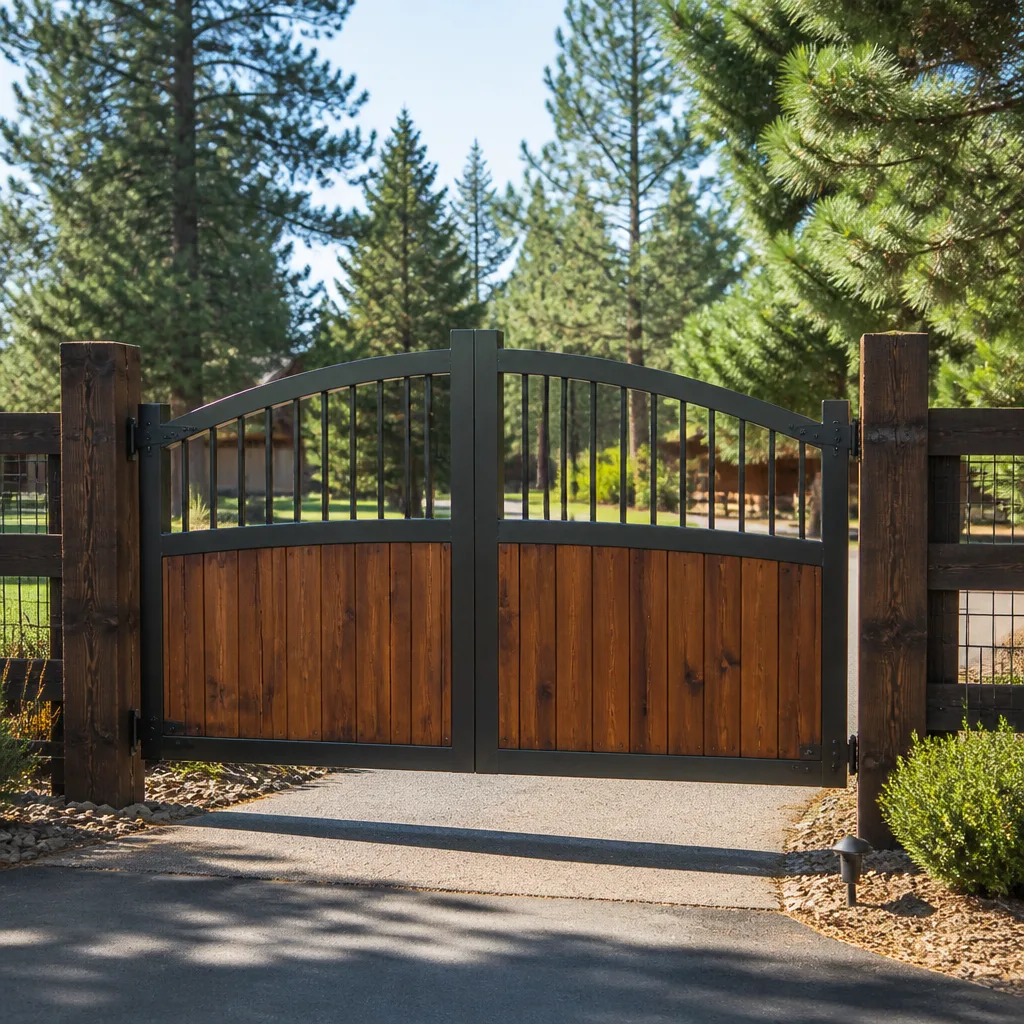 Farm & ranch
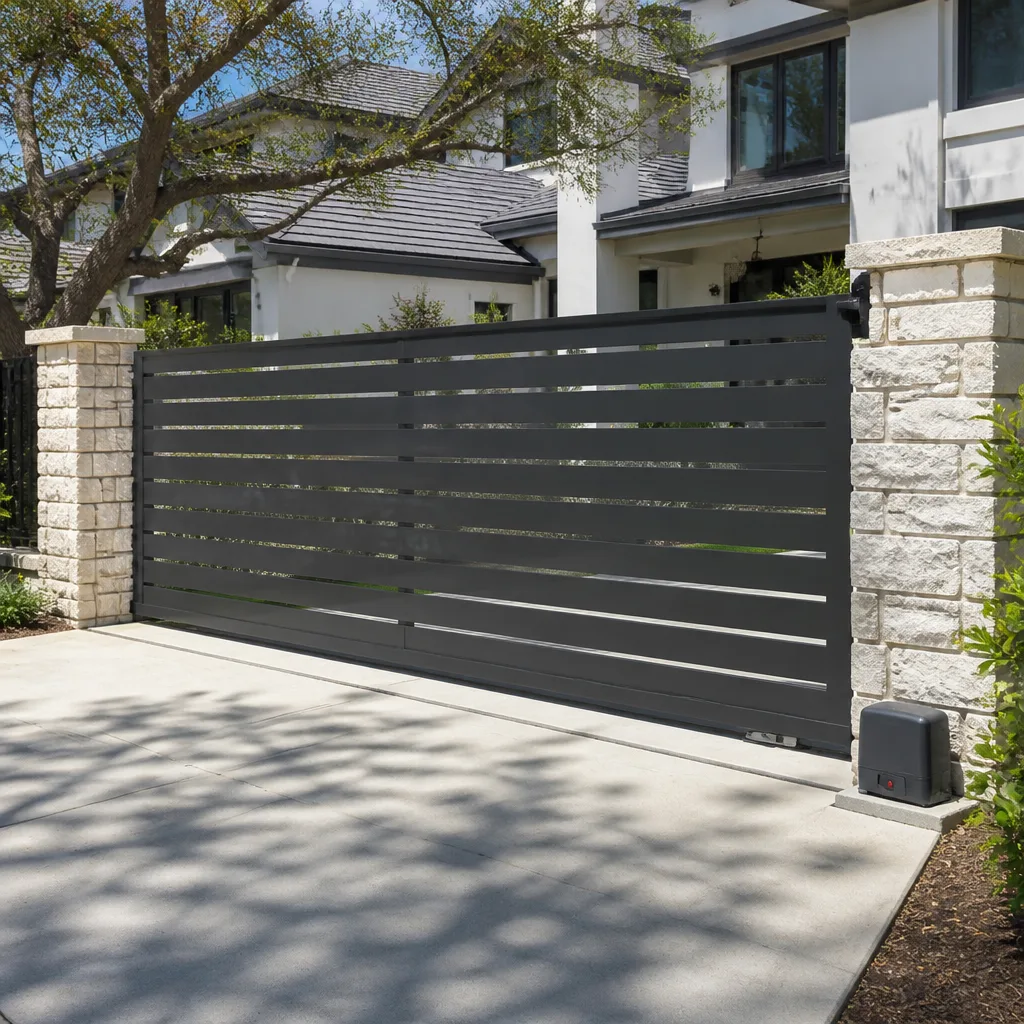 Sliding driveway gates
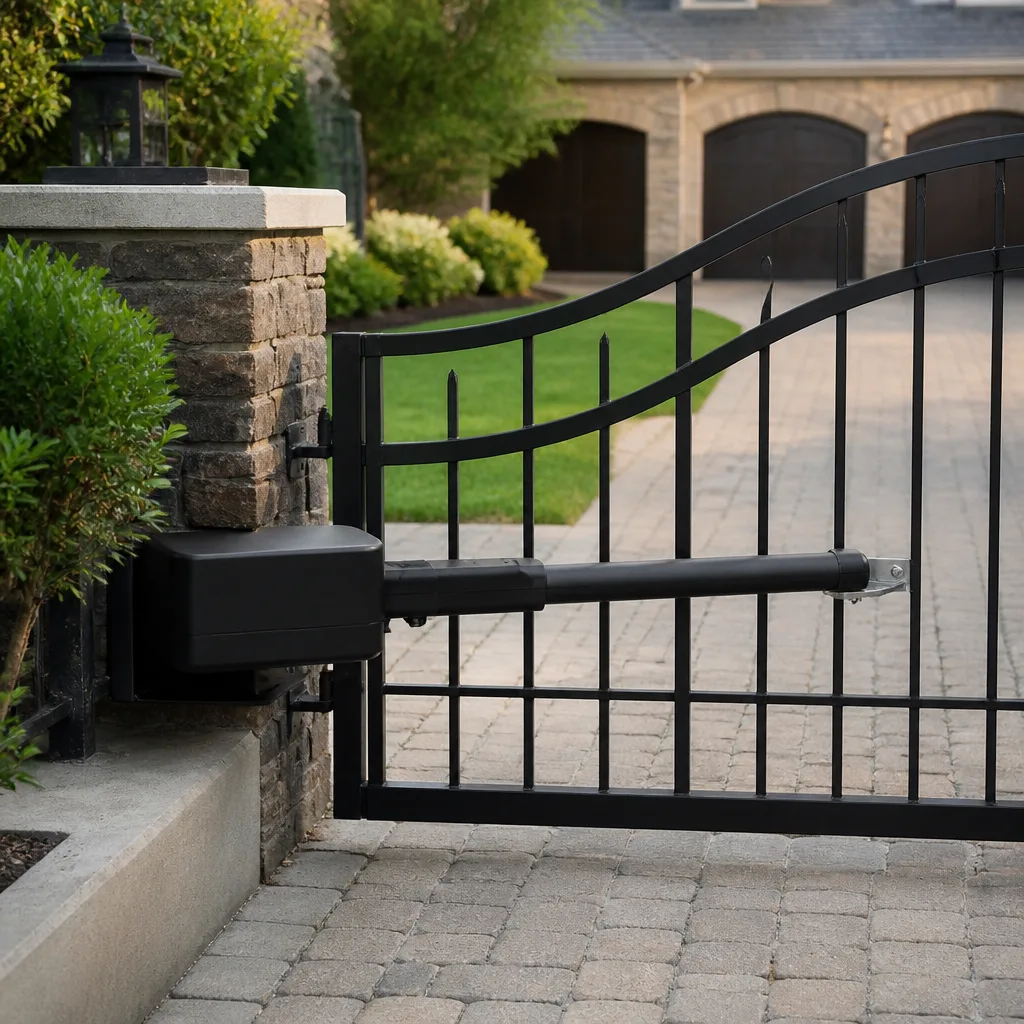 LiftMaster operators
Free on-site gate assessment - hinges, posts, and your LiftMaster or Nice gate operator checked before anything is quoted
The assessment is free and the quote is the invoice.
Get your free estimateHow to Hire a Gate Repair Contractor in Jersey City: A Step-by-Step Guide
Most gate repair listings in Jersey City don’t tell you what kind of company you’re actually calling. A fencing contractor who adds “gate repair” to fill slow weeks and a garage door company that treats a driveway gate as a side job will both show up in the same search results as a genuine gate specialist. The difference doesn’t show up until the quote, the parts order or the second visit for the same problem. What follows is a screening process you can run in about fifteen minutes on the phone, built around the questions that separate a gate specialist from a generalist, plus the quote red flags and the local permit questions that catch people out. You’ll finish this guide knowing exactly what to ask before you book anyone in Jersey City.
Quick Answer
Hire a gate repair contractor in Jersey City by screening for gate-only specialization, not general versatility. Ask five diagnostic questions about your specific system, confirm the contractor works on your gate’s brand and can handle both the mechanical and the electrical side of a powered gate, and insist on an on-site diagnosis before any firm quote is given. A specialist will answer brand, model and failure-mode questions specifically; a generalist will steer the conversation back to scheduling and price.
Styles & brands we work with
- Wrought iron
- Wood & steel frame
- Farm & ranch
- Sliding driveway gates
- LiftMaster operators
Table of Contents
- Why Gate Specialization Matters More Than General Experience
- The Five Diagnostic Questions to Ask Before You Book
- How to Verify Real Gate-Specific Experience
- What a Proper Gate Inspection Looks Like Before Any Quote
- Red Flags in Gate Repair Quotes
- Jersey City Permit and Property Considerations
- Screening Contractors for Electric and Automated Gates
- Common Mistakes to Avoid
Why Gate Specialization Matters More Than General Experience
A gate is not a fence with hinges. It’s a moving structure under load, and when it’s powered, it’s a machine with a motor, a control board, safety sensors and a wiring run. A fencing contractor understands posts and panels but may never have opened an operator housing. A garage door company understands torsion and sectional doors but often has no working familiarity with slide gate tracks, swing gate geometry or the access-control boards that sit inside a pedestal.
That gap is why the same repair sometimes gets done twice. A generalist diagnoses what looks wrong from the outside, replaces a part that seemed likely, and the gate fails again a few weeks later because the actual fault was electrical, or the hinge geometry, or a safety edge that keeps triggering the operator to reverse. You pay for the first visit and the second one.
In our experience working across LiftMaster, FAAC, BFT and the other major gate and operator brands, the pattern is consistent: the diagnosis is the hard part, and the diagnosis is where specialist experience earns its keep. A technician who has opened hundreds of control panels across competing manufacturers recognizes failure patterns that a single-brand or brand-agnostic generalist simply hasn’t seen enough times to spot quickly.
That’s the practical case for a gate-only specialist. Not that generalists are dishonest, but that gate work is a narrow trade with its own failure modes, its own parts ecosystem and its own set of safety rules. When you hire for gate repair in Jersey City, you’re buying diagnostic judgment as much as labor.
The Five Diagnostic Questions to Ask Before You Book
These five questions take a few minutes on the phone and reveal almost immediately whether you’re talking to a gate specialist or a company that handles gates as overflow work. Write down the answers. A specialist’s answers are specific and technical; a generalist’s are vague and circle back to booking.
- “What brand is the operator on my gate, and do you work on it regularly?” A specialist will ask you to read the label on the operator housing and will tell you whether that brand is in their regular rotation. Generalists often can’t tell you which brands they service without checking with someone else.
- “Can you describe the most likely causes for my specific symptom?” If your gate reverses mid-travel, a specialist will name a short list: safety sensor misalignment, a binding hinge, a limit switch out of adjustment, a control board fault. A generalist will say they’ll need to come out and look.
- “Do you handle both the mechanical and the electrical side?” A powered gate has two halves. A company that only does mechanical work will hand off the electrical half to someone else, and you’ll coordinate two visits.
- “How do you source parts, and how long do they usually take to arrive?” A specialist knows their parts channels and will give you a realistic timeline. “We’ll see what we can find” is a warning sign.
- “What does the diagnostic visit include, and what does it cost?” A specialist will describe the inspection in detail and explain that the written estimate follows the diagnosis, not the phone call.
One more question worth adding if your gate is automated: “Do you carry test equipment for the safety edges and the operator’s fault codes?” A yes here is a strong signal. Those tools are gate-specific and a generalist rarely owns them.
How to Verify Real Gate-Specific Experience
Every contractor will tell you they’re experienced. The verification is in the specifics they can produce without hesitation.
- Brand fluency. Ask which brands they service and listen for specifics. A specialist can name the brands they work on and describe how the systems differ, not just recite a list. We work on LiftMaster, FAAC, BFT, Linear, Viking, Ghost Controls, DoorKing, Elite and Mighty Mule, and each has its own control architecture and quirks. When a company names two or three brands and hedges on the rest, that’s a limited scope.
- Failure-mode vocabulary. Ask about a common problem and listen for terms like limit switches, safety reversing sensors, control boards, actuators, hinges, tracks, rollers and photo-eyes. If the vocabulary is generic (“motors and springs”), the experience probably is too.
- Diagnostic equipment. A gate specialist carries a multimeter and knows how to read operator fault codes. Ask directly whether they can pull fault codes from your operator. If the answer is “what codes,” that tells you something.
- Scope clarity. A specialist will tell you plainly what they do and don’t do. Gate repair, electric gate repair and gate installation is a complete scope for a gate company. If a contractor lists gates alongside fences, decks, garage doors, pressure washing and handyman work, your gate is one item on a very long menu.
- Parts sourcing answers. Ask where a specific part would come from if it needed replacing. A specialist can describe the channel: manufacturer direct, a regional distributor, or a compatible aftermarket part with the trade-offs explained.
None of this requires a certification ID or a credential number. It requires the contractor to talk about gates with the fluency of someone who works on them every week. That fluency is very hard to fake over a five-minute conversation.
What a Proper Gate Inspection Looks Like Before Any Quote
A phone estimate for gate repair is close to worthless, and a phone estimate for an electric gate repair is worse than worthless because it creates a number you’ll anchor to and then argue about later. A real diagnosis happens on-site, and it follows a recognizable sequence.
Here’s what a proper gate inspection visit should include before the contractor puts a number on paper:
- Manual operation check. The technician releases the operator (most have a manual release key or lever) and moves the gate by hand. This separates a mechanical problem from an electrical one before any tools come out.
- Hardware inspection. Hinges, rollers, tracks, guide posts, latches, stops. Worn hinges and misaligned tracks cause more “operator problems” than actual operator failures.
- Power and wiring check. The technician traces the power run from the source to the operator, checks the connections and confirms the control board has power. This is the step most likely to be skipped by a generalist.
- Control board and fault code review. If the operator stores fault codes, the technician pulls them. That record tells you what the gate’s brain has been complaining about, sometimes for weeks.
- Safety device test. Photo-eyes, safety edges, reversing sensors and any loop detectors get tested individually. A gate that reverses unpredictably is often a safety device problem, not a motor problem.
- Written estimate. Line items, parts, labor and the expected timeline. You should know what’s being fixed, why, and what the final price is before a wrench is turned.
Ask the contractor up front how long the inspection takes and whether the estimate follows on the same visit. In our experience the diagnosis and the estimate belong together; a contractor who inspects one day and quotes a week later is guessing at what they saw.
Red Flags in Gate Repair Quotes
The quote is where a generalist’s inexperience shows most clearly. Read every line and watch for these signals.
- Vague line items. “Repair gate” or “fix operator” tells you nothing. A specialist writes “replace control board on LiftMaster operator” or “replace two hinges on the swing gate’s lower leaf.” If a quote can’t name the part, it’s not a quote, it’s a placeholder.
- No mention of parts sourcing. Every quote that involves a non-stock part should state where it comes from and roughly how long it will take to arrive. If the quote is silent on sourcing, ask. If the answer is “we’ll figure it out when we get there,” you’re looking at an open-ended job.
- “We’ll figure it out on-site.” Diagnosing is what the visit was for. If the contractor is on-site and still hasn’t narrowed the fault, that’s a diagnostic gap, not a scheduling quirk.
- Quote arrives before the inspection. A firm price before anyone has looked at the gate is either padded to cover surprises or about to get revised upward.
- No line-item answer on safety devices. For a powered gate, safety devices are part of the repair. A quote that doesn’t mention them isn’t complete.
- Pressure to decide on the spot. A good estimate should be a document you can read at your own pace. You shouldn’t need to commit before you’ve read it.
- No written estimate at all. Verbal estimates are how disputes start. Ask for the price in writing, itemized, before any work begins.
One positive signal worth mentioning: a good quote will often include a note about what was tested and passed, not just what needs replacing. That tells you the technician actually worked through the gate rather than targeting the first plausible failure.
Jersey City Permit and Property Considerations
Gate work in Jersey City runs into local realities that a contractor from a neighboring county may not know well. The city’s building department handles permits for structural work, and a new gate installation or a structural repair to a gate’s mounting posts may require a permit, depending on the scope and the property. Whether a specific job requires one comes down to the city’s current rules and the individual project, so it’s worth asking your contractor directly: “Will this job need a permit, and will you pull it, or do I?”
A specialist knows that answer for their trade and can point you to the building department if the answer is yes. A generalist will often hand you the permit responsibility without explaining it. Ask this question before you sign anything and the answer will tell you a lot about how the rest of the job will go.
Jersey City’s housing stock matters too. The city mixes older rowhouses, multifamily buildings, converted industrial properties and newer construction, and each has a different relationship with gates. A driveway gate on a narrow lot in a dense neighborhood often has limited swing clearance, tight hinge geometry and no room for a wider replacement without redesigning the mount. A slide gate on a property with a long frontage has its own constraints: track alignment, drainage and a clear path for the gate to travel. A contractor who has worked across Jersey City’s variety of properties will recognize these constraints quickly; a contractor from outside the city may propose a solution that doesn’t fit the site.
Weather matters here as well. Jersey City gets cold winters and freeze-thaw cycles that work on gate hardware, soil, and the footings that hold gate posts. Posts that were set to proper footing depth hold up; posts that were set shallow move in the frost cycles. When you ask about a gate installation quote, ask how the posts will be set and whether proper footing depth will be used. A specialist will give you a specific answer. A generalist will say “standard.”
If you’re comparing options for gate repair in Jersey City, ask each contractor how they handle local permit questions and what their familiarity is with the type of property you own. That’s another diagnostic question that separates the specialists from the rest.
Screening Contractors for Electric and Automated Gates
Automated gates are where the generalist-versus-specialist gap is widest. A powered gate has an operator, a control board, a power supply, safety devices, and often an access control layer like a keypad, intercom or loop detector. A contractor who only handles mechanical work can address a stuck hinge but will hand off the electronic half. A contractor who only handles electrical work can miss a mechanical cause that’s triggering an electrical symptom.
When you screen a contractor for an electric gate in Jersey City, add these questions:
- “Can you diagnose the operator’s control board and read fault codes?” A yes means they have the diagnostic layer covered.
- “Do you work on the access control layer: keypads, intercoms, loop detectors?” A specialist usually does. Generalists usually don’t.
- “What’s your process for testing safety devices?” A real answer names photo-eyes, safety edges and the reversing logic specifically.
- “If a motor is failing, do you replace the whole operator or just the failing component?” A specialist can talk through both options and when each makes sense. A generalist will push a full replacement because that’s the only path they know.
Brand familiarity matters more here too. LiftMaster, FAAC and BFT each build control systems differently, and a technician who has worked across all three brings pattern recognition a single-brand technician doesn’t. If a contractor has only ever installed one line of operators, they may not recognize a fault that another brand’s diagnostics would flag in seconds.
When you’re ready to schedule a diagnosis, call (855) 701-9639. We answer 24/7. Fast dispatch from 7am to 7pm, Sunday through Friday. Estimates are free, and the price is quoted and agreed before any work starts.
Common Mistakes to Avoid
- Hiring on price alone from a phone call. The lowest phone quote is often revised upward after the inspection, and by then you’ve booked the visit. Ask for the diagnostic process before you compare numbers.
- Assuming a fencing contractor can handle a powered gate. Fencing and gate work overlap on posts and panels, but the operator, control board and safety devices are a separate skill set. Ask directly.
- Accepting a phone estimate for an electric gate repair. The fault could be mechanical, electrical or both. A phone estimate is a guess dressed up as a number.
- Not asking about permits before the work starts. New gate installations and structural repairs often trip a Jersey City permitting requirement. Ask who pulls the permit and who’s responsible for compliance.
- Skipping the safety device test in the quote. A powered gate that reverses unexpectedly is a real hazard. Make sure the quote covers safety device diagnosis and doesn’t treat it as an optional add-on.
- Choosing a contractor who only handles one brand. If your gate is a FAAC or a BFT and the contractor only works on LiftMaster, they may turn you down or force an unnecessary operator replacement. Ask about brand coverage first.
- Ignoring parts sourcing on the quote. A quote without a parts sourcing plan is a quote that will surprise you. If the part isn’t in hand, ask where it’s coming from and how long it will take.
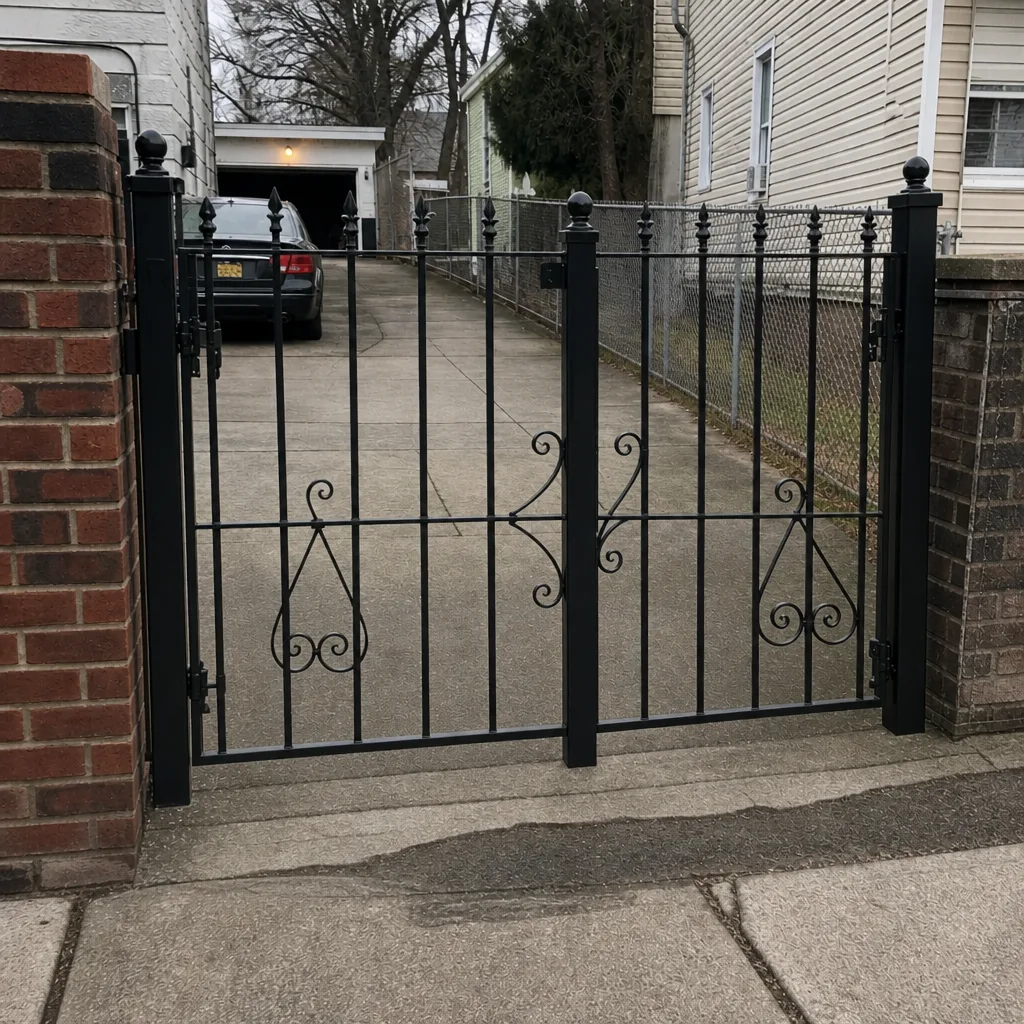
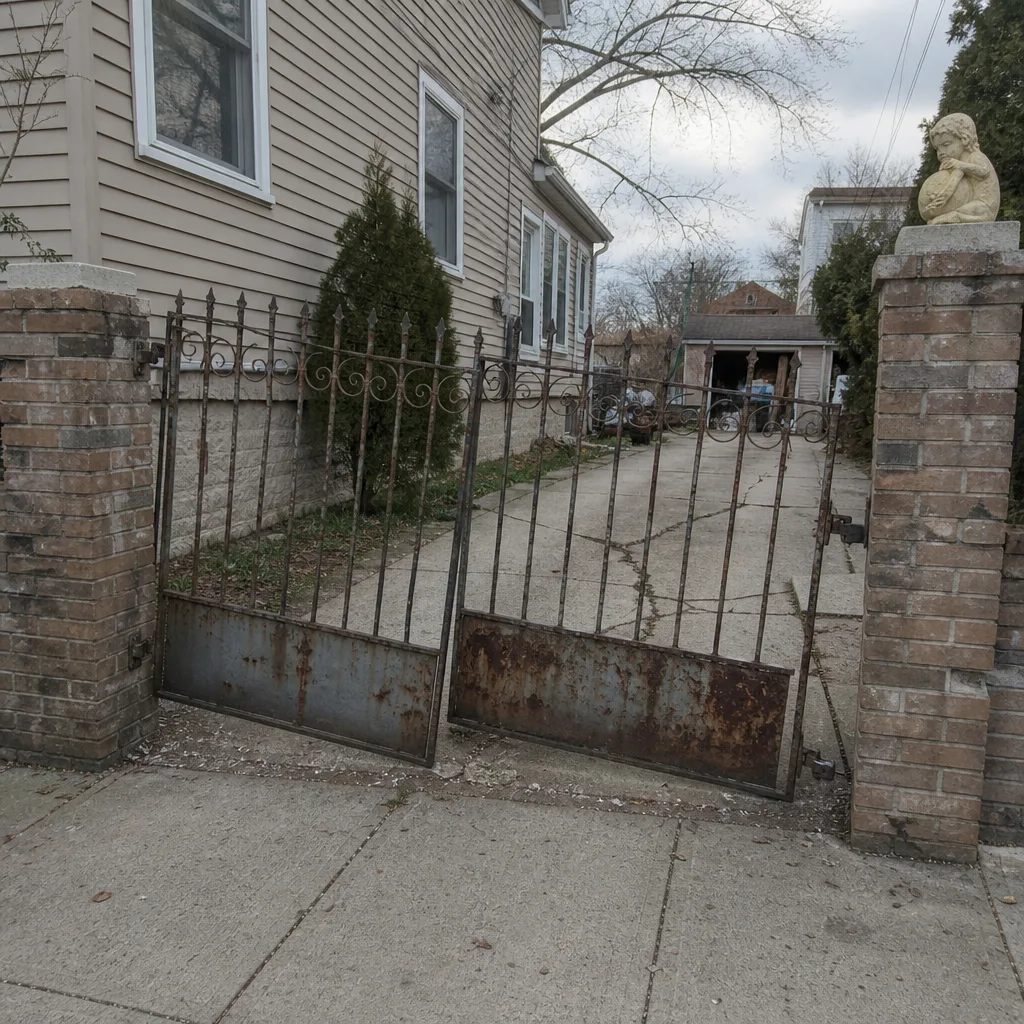
See the difference
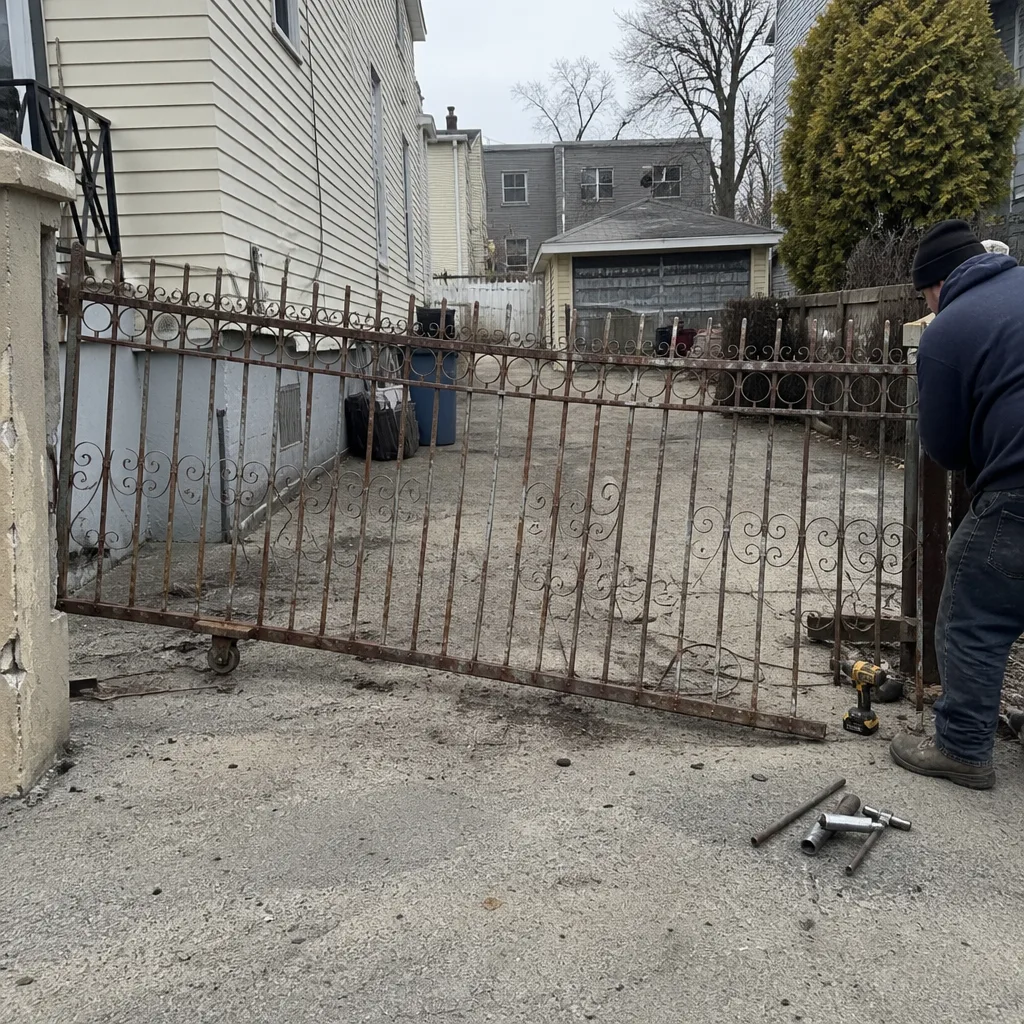 Before
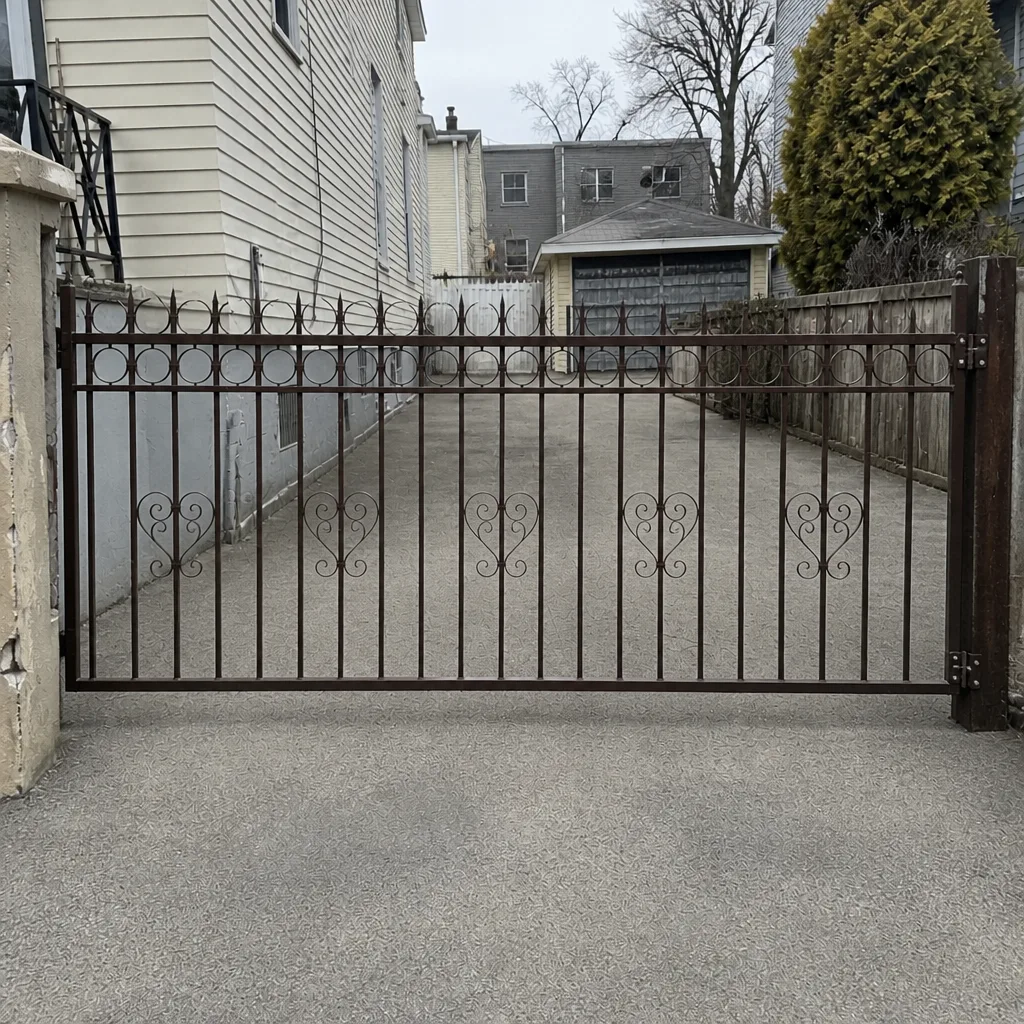 After
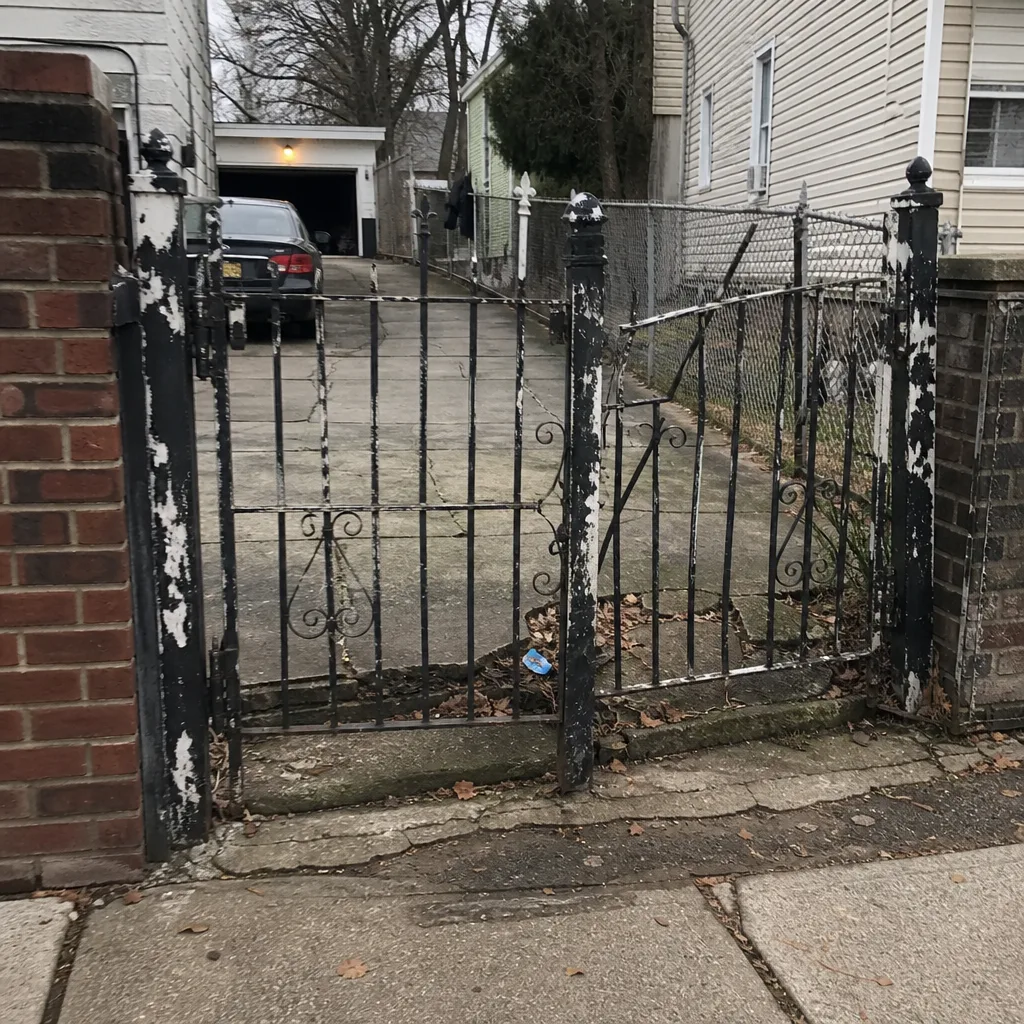 Before
 After
 Before
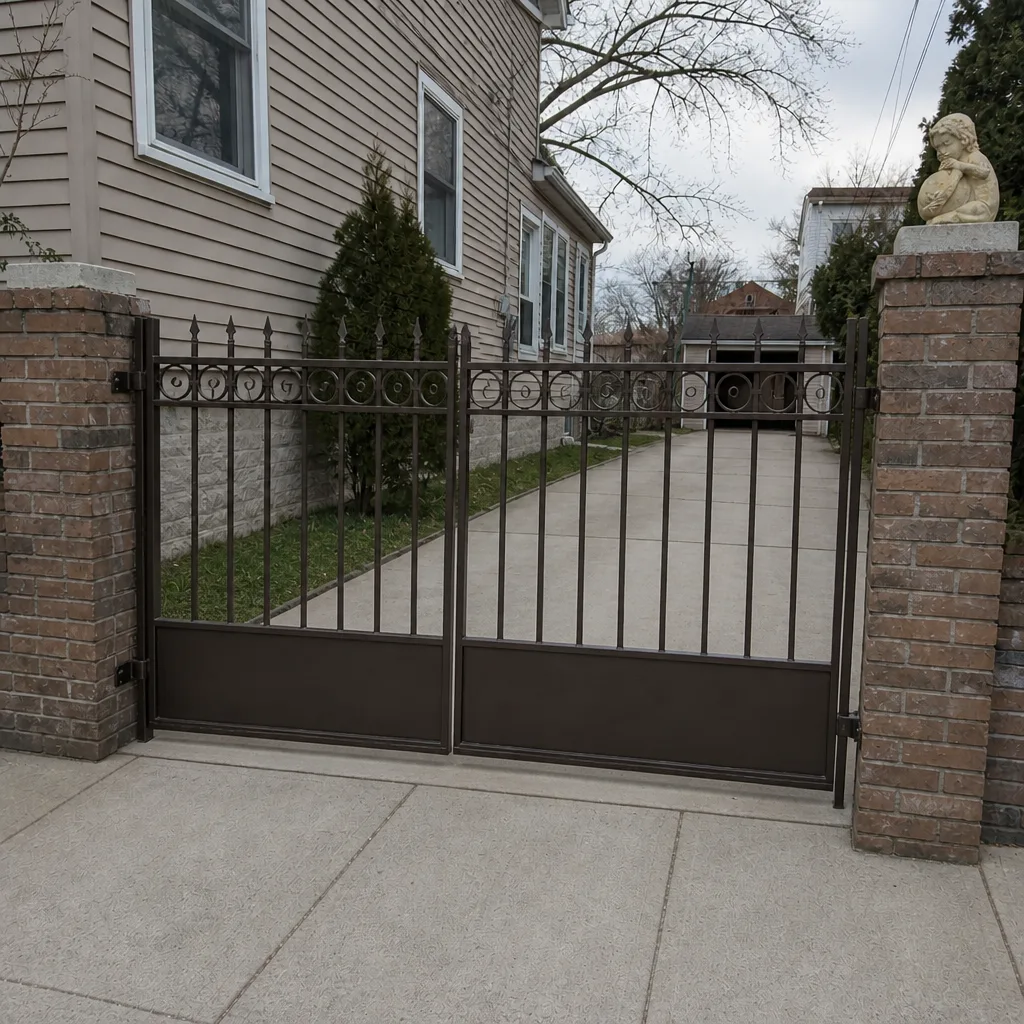 After
When to Call a Professional
Some gate problems are genuinely urgent enough to stop guessing and get a specialist out. A powered gate that won’t close, a slide gate that’s jumped its track, a swing gate whose hinge has torn loose from its post, an operator that keeps tripping its breaker, or a safety edge that keeps reversing the gate without warning all qualify. So does any gate where the failure affects access: if you can’t get a vehicle through, or if the gate won’t stay locked, the clock is running.
Less obvious but still worth a call: a gate that opens and closes but feels stiff, a hinge that’s started to sag, or a remote that needs multiple presses to trigger. These early signals usually point to something you can fix cheaply now and expensively later. Gate Repair Jersey City offers free estimates in Jersey City. Call (855) 701-9639. We answer 24/7. Fast dispatch from 7am to 7pm, Sunday through Friday. Estimates are free and the price is set before work begins.
Frequently Asked Questions
Ask them the five diagnostic questions in this guide and listen for specific, technical answers. A specialist can name the failure modes for your symptom, the brands they work on, the parts sourcing channel, and the diagnostic steps they’ll take on-site. A generalist will steer the conversation back to scheduling and a rough price.
Not a reliable one. Phone estimates for gate repair, and especially for electric gate repair, are almost always wrong because the fault could be mechanical, electrical or both, and the only way to know is to test the gate in person. The written estimate that follows an on-site diagnosis is the number to trust. Call (855) 701-9639 for a free estimate – the price is quoted and agreed before any work starts.
A good gate contractor should work across multiple major brands rather than a single line. Ask which brands they service and listen for specifics. We work on LiftMaster, FAAC, BFT, Linear, Viking, Ghost Controls, DoorKing, Elite and Mighty Mule, which means your gate brand likely falls within our scope. Call (855) 701-9639 to confirm coverage for your specific system.
It might. New gate installations and structural repairs to a gate’s mounting posts can require a permit depending on the scope and the property, and the answer comes down to the city’s current rules. Ask your contractor before you sign whether the job needs a permit and who’s responsible for pulling it. If they can’t answer, that’s a signal about how the rest of the job will go.
It depends entirely on the fault and the parts. A hinge replacement or a sensor realignment is usually a same-day job. A control board replacement or an operator swap depends on whether the part is on hand or has to be ordered. A specialist will give you a realistic timeline based on the diagnosis, not a guess based on the symptom.
A proper inspection includes a manual operation check, hardware inspection, power and wiring check, control board and fault code review, and a full safety device test. The written estimate should follow that inspection, with line items for parts and labor. If a contractor skips any of these steps or quotes before the inspection, you haven’t received a real diagnosis.
What should I do if my gate fails on a Saturday?
We’re closed on Saturdays. Call and we’ll book you for Sunday – we dispatch Sunday through Friday, 7am to 7pm. We answer 24/7, so leave the call whenever the problem starts.
The Bottom Line
Hiring a gate repair contractor in Jersey City comes down to one screening principle: specialist, not generalist. Ask the five diagnostic questions, verify brand and diagnostic experience, and insist on an on-site inspection before any written estimate. Watch the quote for vague line items, missing parts sourcing and safety devices treated as afterthoughts. Ask about permits before the work starts. Run those checks and you’ll separate the companies that actually work on gates every week from the ones that fit them in between other jobs. That screening is what protects you from paying twice for the same repair. Our technicians have up to 15 years of experience, and we’re ready to look at your gate when you’re ready to book. Call (855) 701-9639 for a free estimate. We answer 24/7. Fast dispatch from 7am to 7pm, Sunday through Friday. For a wider view of what we do across Jersey City, our team is here when you need a diagnosis.
Written by the team at Gate Repair Jersey City.