
Last updated November 15, 2026
 Wrought iron
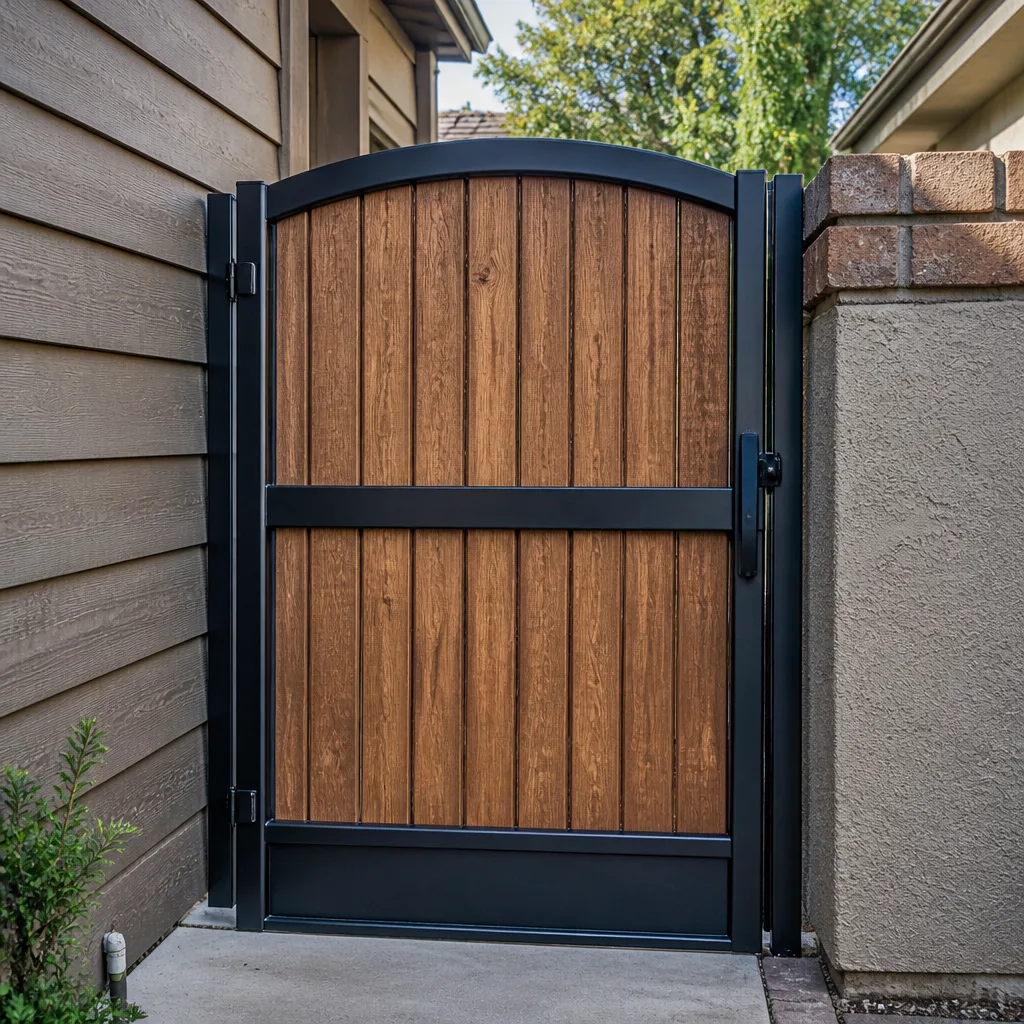 Wood & steel frame
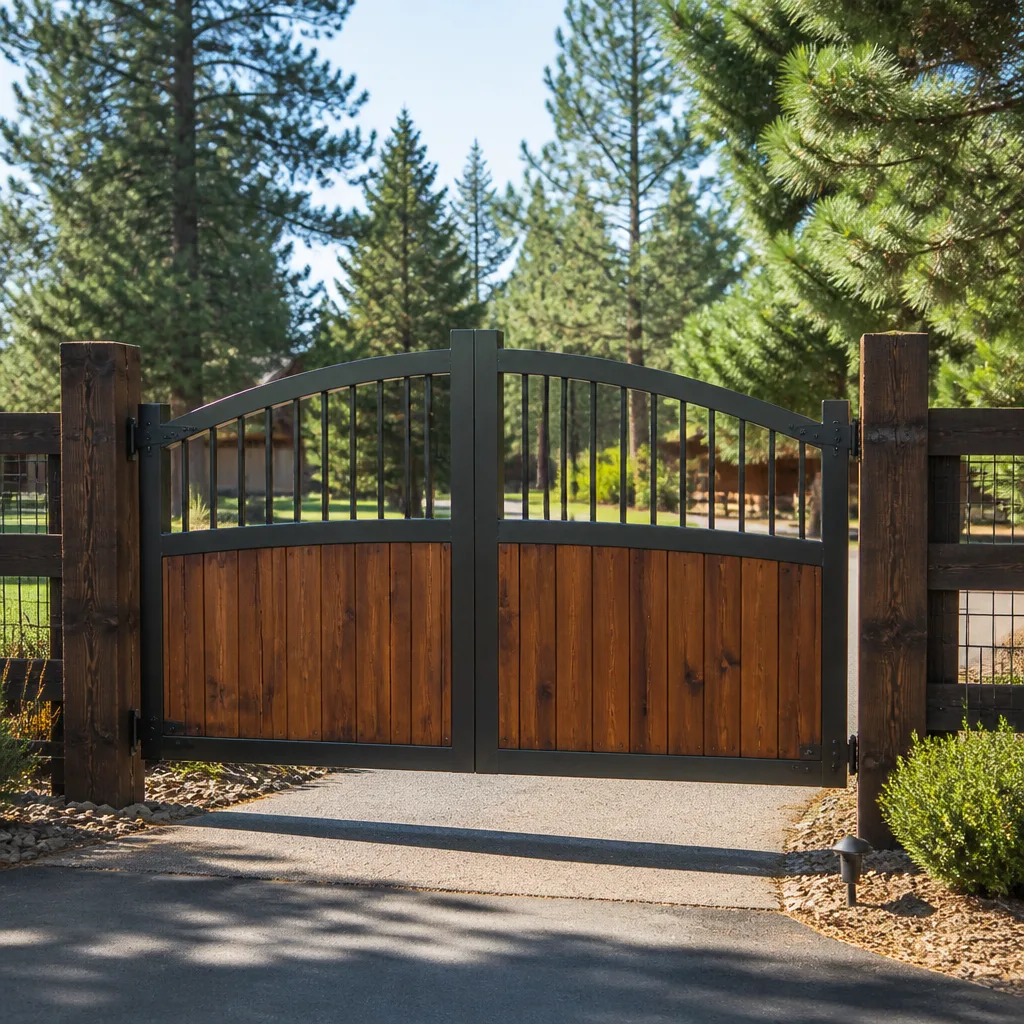 Farm & ranch
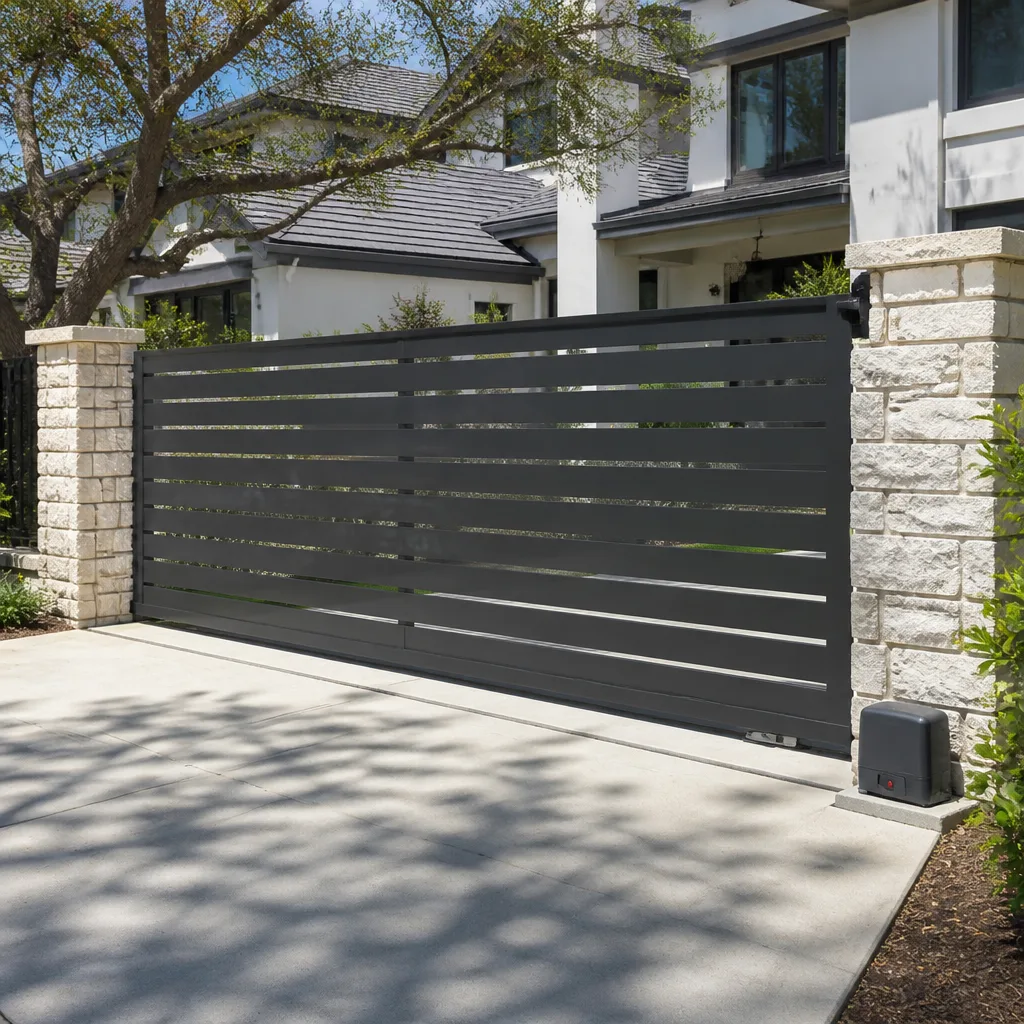 Sliding driveway gates
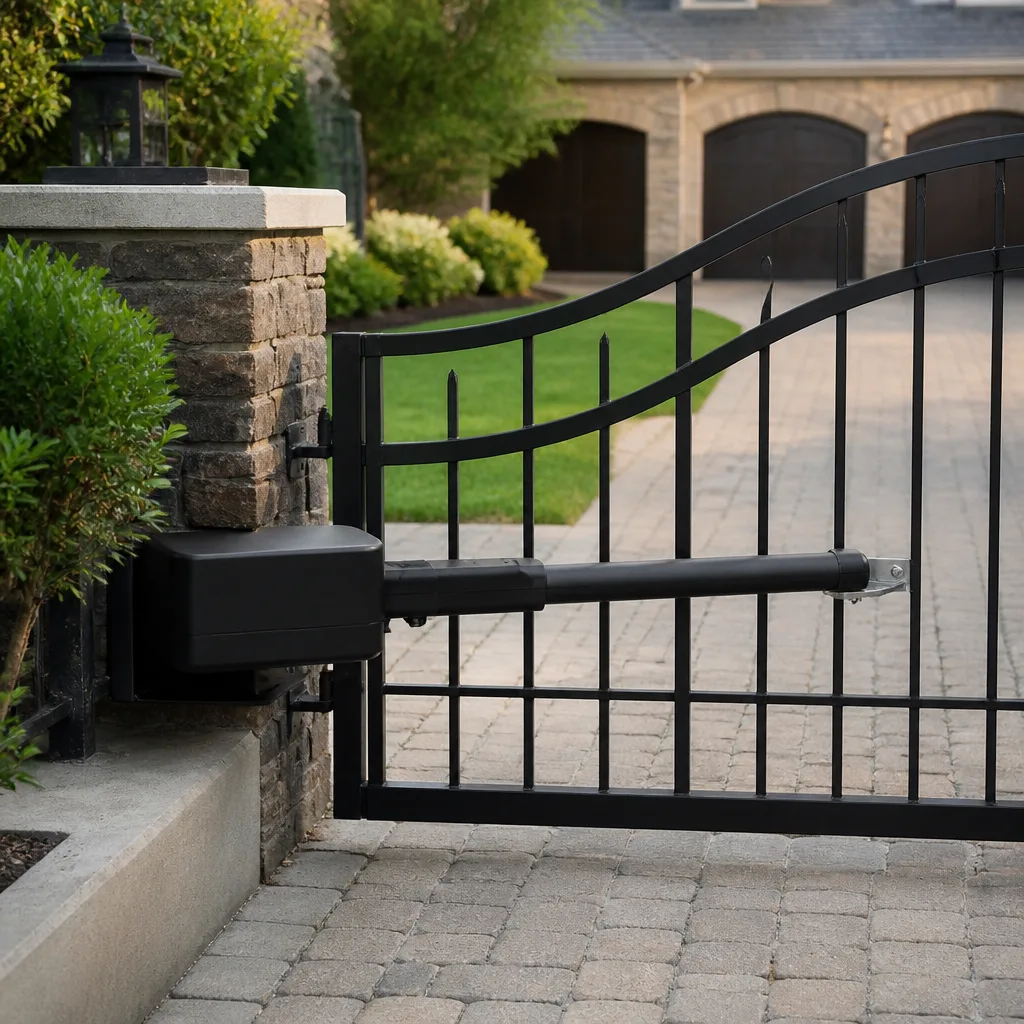 LiftMaster operators
Free on-site gate assessment - hinges, posts, and your LiftMaster or Nice gate operator checked before anything is quoted
The assessment is free and the quote is the invoice.
Get your free estimateGate Repair Emergency Preparedness Guide for Jersey City Homes
The worst time to discover your automated gate has no manual release handle is at 11 PM when the motor fails and your car is inside. That handle exists on every operator, but plenty of gate owners have never located it, and many who have still couldn’t work it without instructions. That’s the gap this guide closes. What follows is a preparation framework built around one idea: the hour after a gate fails is not the time to start figuring things out. We’ll cover how to find and operate the manual release on common Jersey City operators, how to build an emergency information card, what actually hardens a gate that’s stuck open, how to triage a storm-damaged gate safely, and exactly what to tell a repair service so the right technician shows up first. If you own or manage a property in Jersey City with a powered gate, read this once now, and it will pay for itself the first time something breaks.
Quick Answer
A gate emergency resolves in an hour or stretches into days of exposure and expense, and the difference is preparation done before the failure. Locate and test the manual release on your operator now, keep the gate’s brand and model written down where the whole household can find it, and know how to describe the gate’s condition when you call for repair. If your gate is stuck, jammed, or open right now, call (855) 701-9639. We answer 24/7 and run fast dispatch from 7am to 7pm, Sunday through Friday.
Styles & brands we work with
- Wrought iron
- Wood & steel frame
- Farm & ranch
- Sliding driveway gates
- LiftMaster operators
Table of Contents
- Your Gate Emergency Window: Why the First Hour Matters
- How to Find and Work the Manual Release on Your Operator
- Building the Gate Emergency Information Card
- Temporary Security When a Gate Is Stuck Open
- How to Triage a Storm-Damaged Gate
- What to Tell an Emergency Repair Service When You Call
- Emergency Triage: Three Questions Before You Touch Anything
- A Year-Round Gate Prep Routine for Jersey City Properties
Your Gate Emergency Window: Why the First Hour Matters
A gate doesn’t fail on a schedule. It fails when a motor quits mid-cycle, when a storm panel slams against a post, or when a slide gate jumps its track and leaves a gap you didn’t plan for. What separates a quick fix from a two-day headache is almost never the damage itself. It’s how prepared the owner was in the first hour.
Here’s the narrow window in plain terms. In the first few minutes after a failure, you either have a manual release you can work or you don’t. In the first hour, you either have the gate’s make and model written down or you’re guessing into a phone. And in the first call, you either describe the problem clearly or you describe it vaguely and the first technician arrives without the diagnostic context they need.
Jersey City properties push on this window in specific ways. Dense streets mean a gate held open becomes a real access concern rather than a distant one, and mixed housing stock means automated gates sit alongside manual swing gates on the same block, each failing differently. Weather swings through the seasons work operators hard: the freeze-thaw cycles of a Northeast winter followed by a humid summer stress motors, hinges, and wiring. Getting prepared isn’t about being paranoid. It’s about recognizing that the gate is a moving mechanical system, and moving systems break.
This guide treats preparation as a routine, not a crisis skill. Do the small things once, and when the gate fails you’ll be the owner who handles it in an hour.
How to Find and Work the Manual Release on Your Operator
Every automated gate operator has a manual release so the gate can be moved by hand when power or the motor fails. Most owners have never located it. This section is about finding yours before you need it, then testing it so you know how it feels.
The exact release differs by operator, but across the common operators on Jersey City properties the general methods fall into a handful of patterns:
- Keyed release or lever: A small key or lever on the operator housing that you turn or pull to disengage the drive. Common on slide gate operators from manufacturers like DoorKing.
- Release key and handle: A key releases a lever on the motor body, then you push the gate by hand. The key usually lives with the operator or a set handed to the owner.
- Manual override lever: A lever you flip to free the gear, letting you push a swing or slide gate open or closed by hand.
- Battery-backed operators: Some systems, including models from Ghost Controls, run on battery and include an emergency release so the gate can be freed when the battery is depleted.
Here’s the catch: the release method varies by brand and model, so read your operator’s manual or look up the specific model. Don’t force a lever you’re not sure of. Once you’ve located it, test it on a calm day, not during an emergency, so you know the sequence by feel.
Test it before you need it
- Locate the release on the operator with the gate in its normal position.
- Follow the manufacturer’s procedure to disengage the drive.
- Push the gate by hand in the direction you’d need during a failure.
- Re-engage the drive and confirm the gate cycles normally again.
- Write the release method down on your emergency card (next section).
One safety note we can’t skip. If the gate is stuck because a panel has come off its hinges, a slide gate has jumped the track, or the operator’s wiring or power supply looks damaged, do not put your hands near the moving parts or electrical components. Heavy panels can crush and a damaged operator can energize its housing. Leave it and call a professional. Our technicians have up to 15 years of experience with these systems and know what’s safe to touch.
Building the Gate Emergency Information Card
An emergency information card is a single written page that documents your gate’s key details so anyone in your household can act when you’re not there. The whole point is that the person facing the failure doesn’t have to be you. If a tenant, family member, or property staff member is the one standing at a stuck gate, the card is what lets them describe the problem, operate the release, and call the right number.
In our experience working on Jersey City gates, the failures that turn into long, expensive days are the ones where the person on site can’t even tell you what brand or model the gate is. Five minutes of documentation closes that gap.
What to put on the card
- Gate type: swing or slide, single or double, manual or automated.
- Brand and model: the operator make and the specific model number printed on the housing or in the manual. This one detail tells a repair service which parts family to expect.
- Release method: where the release is and how to work it, in your own words.
- Power source: where the operator gets power, whether it’s wired in or battery-backed, and how to shut power off to it safely if needed.
- Size and weight notes: rough gate width and whether it’s heavy, so a prop or support is chosen correctly.
- Repair line: the number to call, plus the fact that we answer 24/7 and dispatch from 7am to 7pm, Sunday through Friday.
- Photo: one clear photo of the operator housing showing the model label, and one of the gate as a whole.
Where to store it
Put one copy where the operator is, sealed against moisture (a zippered pouch taped inside a housing cover works). Put a second copy in the house near the entry the gate controls. For a multi-unit property managed by staff, add a copy to the building file. Store the operator’s manual alongside the card; that’s the document that tells you the exact model-specific release steps.
Build the card once, update it if the gate changes, and you’ve removed the single biggest reason emergency gate repair calls go sideways in Jersey City.
Temporary Security When a Gate Is Stuck Open
A gate stuck open is the most common gate emergency property owners call about, and the temptation is to grab anything that looks like a barrier. We’d rather you separate what actually hardens the opening from what just looks like security. A gate propped wide with a light chair reads as clear to anyone walking past. What holds up is different from what reassures.
What actually works
- Block the gate from swinging further: a solid prop wedged correctly against a swing gate stops it slamming shut or swinging wider. Use a proper wedge or block, not a lightweight object that kicks aside.
- Secure a slide gate with a physical restraint: a chock, boot, or cable loop that physically stops the gate rolling. This is temporary and honestly labelled; it is not a lock.
- Add visible deterrence where it means something: a temporary chain or barrier across a driveway is understood by people as “closed.” It reads as a barrier rather than an opportunity.
- Turn on any existing lighting or camera coverage aimed at the opening until the gate is back.
- Close and lock whatever the gate protects: the garage, the gate’s pedestrian path, any secondary door the gate is meant to shelter.
What only looks like security
- A propped-open gate with a chair, a trash bin, or an empty box. Anything light enough to move with one hand isn’t a barrier.
- A sign saying the gate is on camera when it isn’t. If a sign doesn’t match a real deterrent, people read it as theater.
- Jamming a foreign object into the operator or track to stop the gate. That can damage the drive and turn a repair call into a replacement.
- Leaving a gate partly open “so it can still close.” A partly closing gate with a compromised drive is unpredictable; secure it fully open and call.
- Assuming a stuck gate will hold itself. Gravity and wind do whatever they want with an unsecured panel.
The honest rule: temporary security should be honest to a passerby that the opening is closed, and the only thing that restores actual security is a working gate. Treat the stopgap as a stopgap, and book the repair. A gate-only specialist diagnoses the cause instead of guessing at it, and on a Jersey City property that often means catching a failing operator before it fails again.
How to Triage a Storm-Damaged Gate
Storm damage asks for a different instinct than a motor failure. The gate is physically compromised, possibly still moving in the wind, and the temptation is to rush out and prop it or straighten it. Before you touch anything, do a structural triage from a safe distance. The goal is to name the immediate risks and stop, not to repair.
Look for these before you go near the gate
- Panels off their hinges or rails: a heavy panel that’s come loose can swing or fall. A crush risk is the first thing to assess, from outside the swing range.
- Leaning or shifted posts: a post that’s moved means the gate’s mount points are stressed. Don’t lean on it or try to lift it back.
- Slide gates off the track: a slide gate that’s jumped its track is unstable and can drop. Leave it.
- Downed or damaged wiring, and the operator raised off its mount: treat any exposed power as live. Don’t touch the operator or its wires.
- Fallen branches or debris wedged in the mechanism: note it but don’t crawl into the gate’s path to pull it free.
What to leave alone
Don’t try to lift a fallen panel, don’t attempt to re-track a slide gate, and don’t reset or power-cycle an operator that’s been storm-damaged or has water in the housing. Electrical components under stress, and water plus wiring, are exactly what a trained technician should handle. Heavy panels and a gate’s motor and power are the dangerous parts; an expert assesses first. Keep people and pets away from the swing or roll path and call a professional.
What to note for the call
- Which parts moved or broke (post, hinges, panel, track, operator mount).
- Whether the operator still has power and shows any lights.
- Whether the gate is holding position or still moving in wind.
- One or two photos from a safe distance.
- Whether anyone or any vehicle is blocked inside the gate.
That list is what turns a storm call into a clean dispatch. It’s also what keeps you safe while you wait.
What to Tell an Emergency Repair Service When You Call
What you tell a repair service on the phone decides whether the right technician arrives with the right parts on the first trip. A clear call compresses the whole job. A vague one (“my gate won’t work”) forces the technician to diagnose blind. Over the years our technicians have taken thousands of these calls, and the ones that go fastest always carry the same handful of details.
The five details to have ready
- The gate type and brand. Swing or slide, and the operator make and model if you can see it. Our techs regularly service LiftMaster, FAAC, BFT, Linear, Viking, Ghost Controls, DoorKing, Elite, and Mighty Mule. Knowing the brand up front lets us match the diagnostic and the parts family.
- What the gate is doing. Stuck open, stuck closed, half-travel, jumping the track, making a noise, or not responding to the remote. “Stuck mid-travel with a grinding noise” tells us far more than “broken.”
- When it started and what changed. After a power flicker? After a storm? After the first hard freeze? The trigger narrows the cause.
- Whether power is on and what the operator shows. Any lights or display, and whether the manual release works if you’ve tried it.
- Access and safety. Whether a vehicle or someone is trapped, and whether anyone can reach the gate safely.
Add a photo if you can text one. A photo of the operator label and the gate’s current position often saves a diagnostic step.
Then make the call
When you call Gate Repair Jersey City, that details-first approach is how we dispatch. Because we work across nine distinct operator brands, our team reads failures across systems and often recognizes a pattern before arriving. If it’s a repair or emergency, we answer 24/7 and run fast dispatch from 7am to 7pm, Sunday through Friday; a call outside dispatch hours is booked into the next opening.
Have your card ready, describe the gate, and let the diagnostic do its job.
Emergency Triage: Three Questions Before You Touch Anything
Every gate emergency runs through the same three questions. Asking them first, in order, keeps you out of harm’s way and gives the person you call the clearest picture. Here they are, and why each one comes before the next.
1. Is anything structurally unstable?
Before you do anything, look at the gate from a safe distance. Is a panel off its hinge, a post leaning, a slide gate off its track? If yes, stop. A heavy panel can crush. Don’t prop it, don’t lean on it, don’t put your hands in its path. Note what’s wrong and call.
2. Is there a power or wiring risk?
If the operator is automated, ask whether the housing is raised off its mount, whether wires are exposed, or whether water has gotten in. If any of that is true, treat the power as live and don’t touch the operator or its wires. An electric gate involves both mechanical and electronic parts, and the electrical side is where an untrained hand gets hurt. This is The place a technician’s familiarity with the operator matters.
3. Is the gate accessible and blocked from anyone?
Only after the first two questions do you assess access. Is a car or a person trapped inside? Is the gate blocking a fire lane or a pedestrian path? That changes the urgency and what you tell dispatch. The answer isn’t “fix it yourself,” it’s “tell the service this detail,” because it shapes how the job is prioritized.
Three questions, thirty seconds, and you’ve done the triage that most owners skip. Do them in this order and you’ll never move toward a gate that should have been left alone. When you’re ready to call, name the gate brand and the operator type, describe the symptom plainly, and mention whether power is on, because those four details are what let a gate specialist match the fault to the brand’s typical failure pattern before the visit.
A Year-Round Gate Prep Routine for Jersey City Properties
Preparedness isn’t a one-time task. It’s a short routine, done a few times a year, that keeps your gate in the zone where the first hour of a failure actually resolves it. Here’s a simple calendar-independent routine any Jersey City property owner or manager can run.
Every few months
- Test the manual release, then re-engage and cycle the gate.
- Look at the gate’s hinges, track, and posts for looseness or rust.
- Check the battery on battery-backed operators so a depleted battery doesn’t become a surprise lockout.
- Confirm the emergency card is still accurate and still where it should be.
- Clear the swing or roll path of debris and growth so the gate isn’t fighting friction.
Before and after storm season
In a Northeast climate, winter freeze-thaw and summer humidity both work on the operator and the metal. Before the cold sets in, walk the gate once for loose hardware and wiring and note anything that looks worn. After a storm, run the structural triage above before you run the motor. And keep an eye on the operator’s general health: a motor that labors, hesitates, or reverses at random is telling you something. Catching those early usually means a repair instead of a replacement.
When the gate’s age comes up
As a gate gets older, decide deliberately whether to keep repairing the mechanical and electronic parts or plan for a replacement. Because we handle both repair and new gate installation, a Jersey City owner doesn’t have to source a separate installer when the gate is ready to change. Ask for the diagnostic opinion first, then the options.
The point of the routine is simple: the gate gets looked at on a calm day so it doesn’t demand attention on a bad one. That’s the whole preparedness framework for a Jersey City property, and it costs you a few minutes a season.
Common Mistakes to Avoid
- Never locating the manual release. Owners who can’t find the release at the moment of failure lose the one tool that gives them control. Test it on a calm day and write down how it works.
- Calling without the brand or model. Without the make and model, a repair service has to guess at parts and diagnostic patterns. Snap one photo of the operator label and keep it on your card.
- Force-lifting a fallen or storm-damaged panel. Heavy panels crush, and a shifted mount can let one drop. Leave unstable panels and slide gates alone and call a technician.
- Propping a stuck gate with something light and calling it secure. A chair or an empty bin reads as clear access, not as closed. Use a proper prop or barrier and honestly label it temporary.
- Ignoring random reversals or laboring motors. A gate that hesitates is warning you it’s about to fail. Treat it as a diagnostic call, not a quirk.
- Assuming a general handyman or garage-door company covers gates. Powered gates need gate-specific diagnostic and brand knowledge, especially on the electric side. A gate-only specialist saves the guesswork.
- Letting a battery-backed operator’s battery go dead unnoticed. On a battery run system, a depleted battery can strand a gate exactly when you need it. Check it on the routine.
See the difference
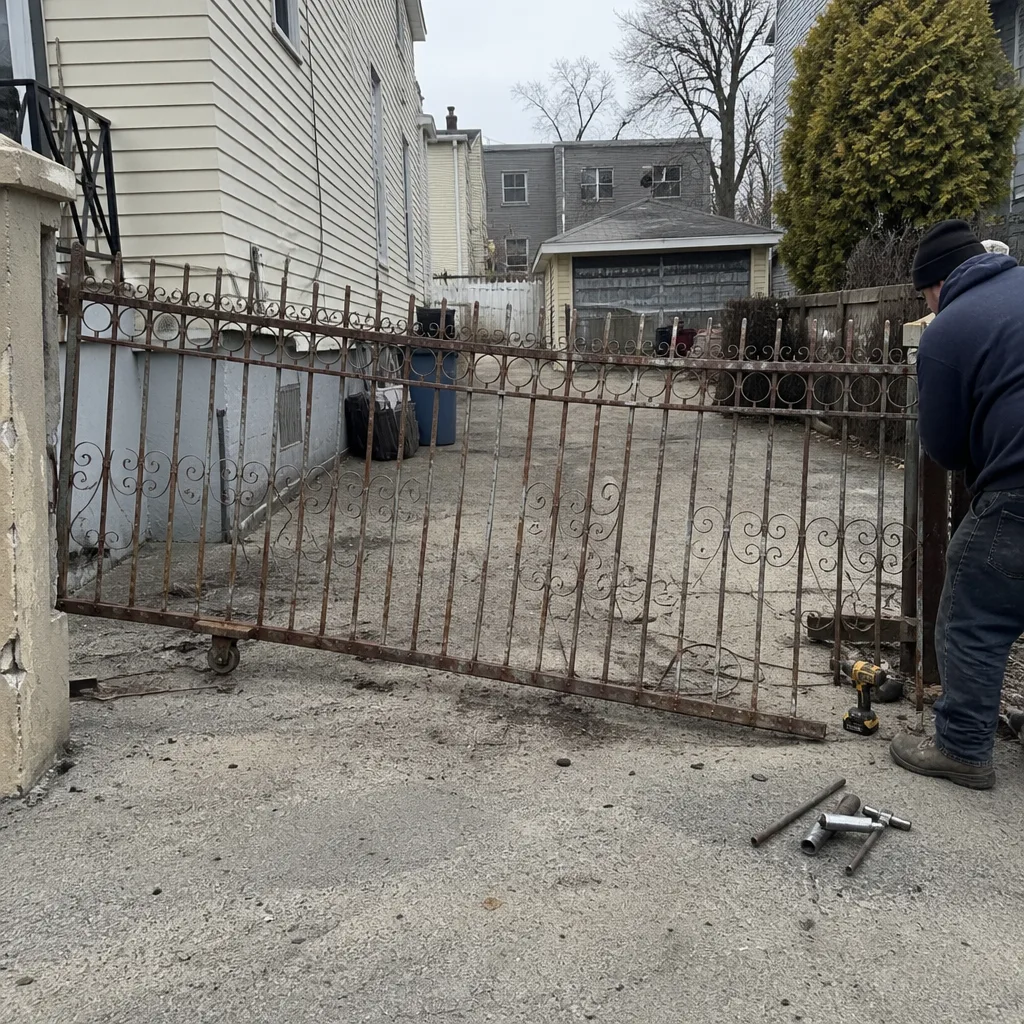 Before
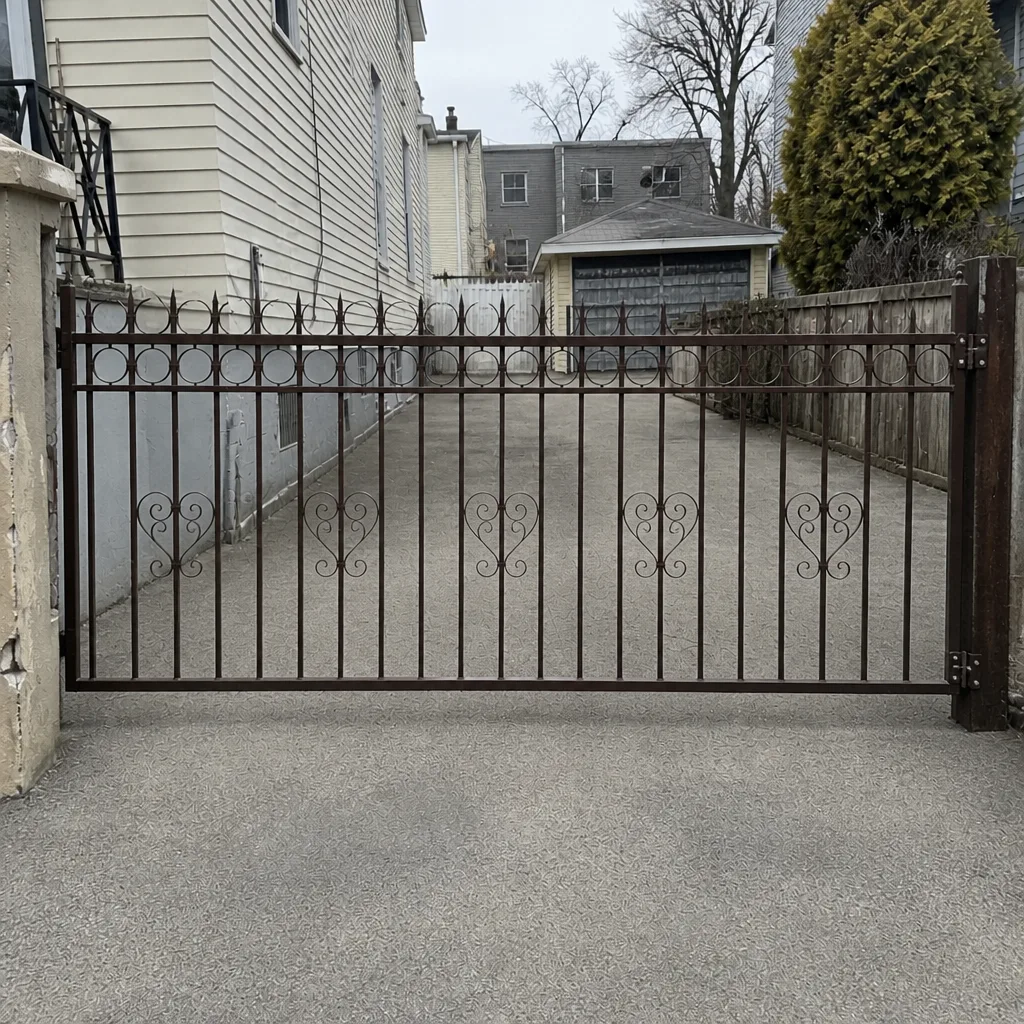 After
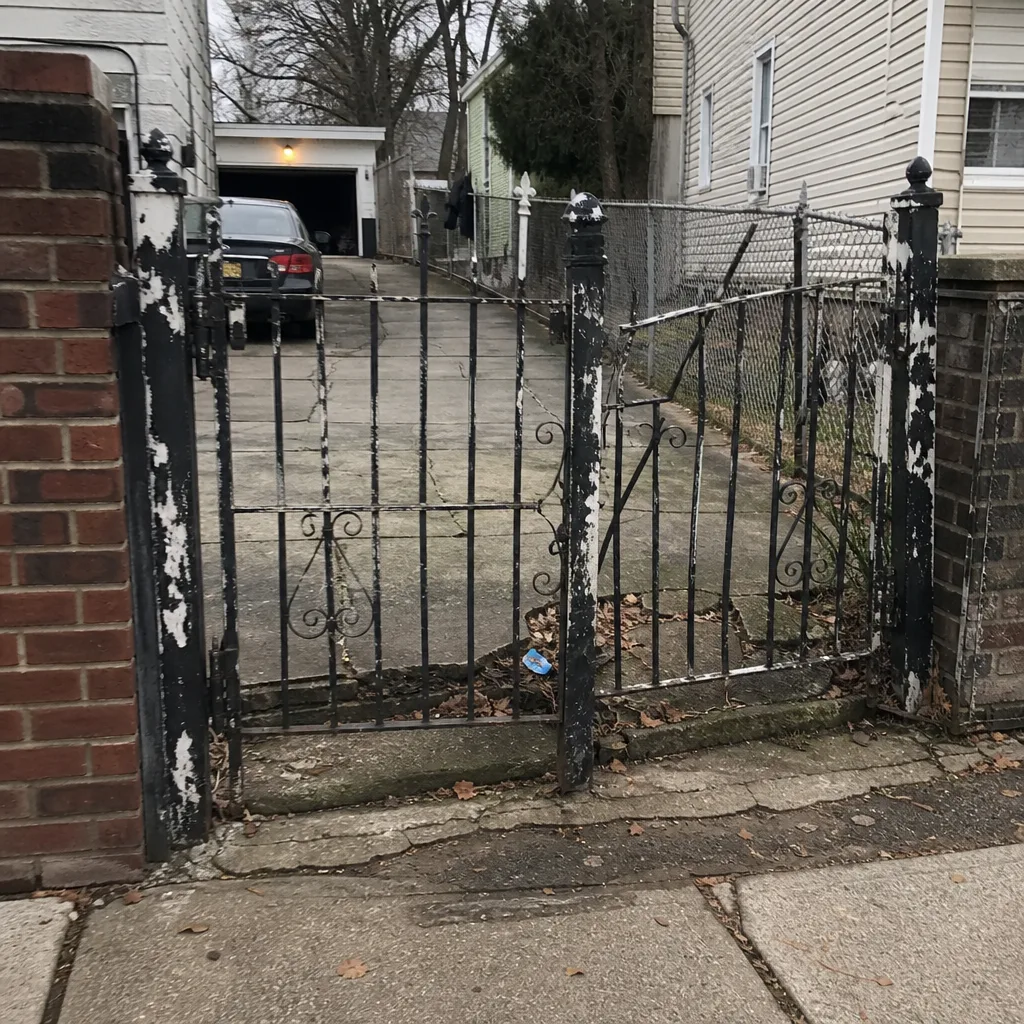 Before
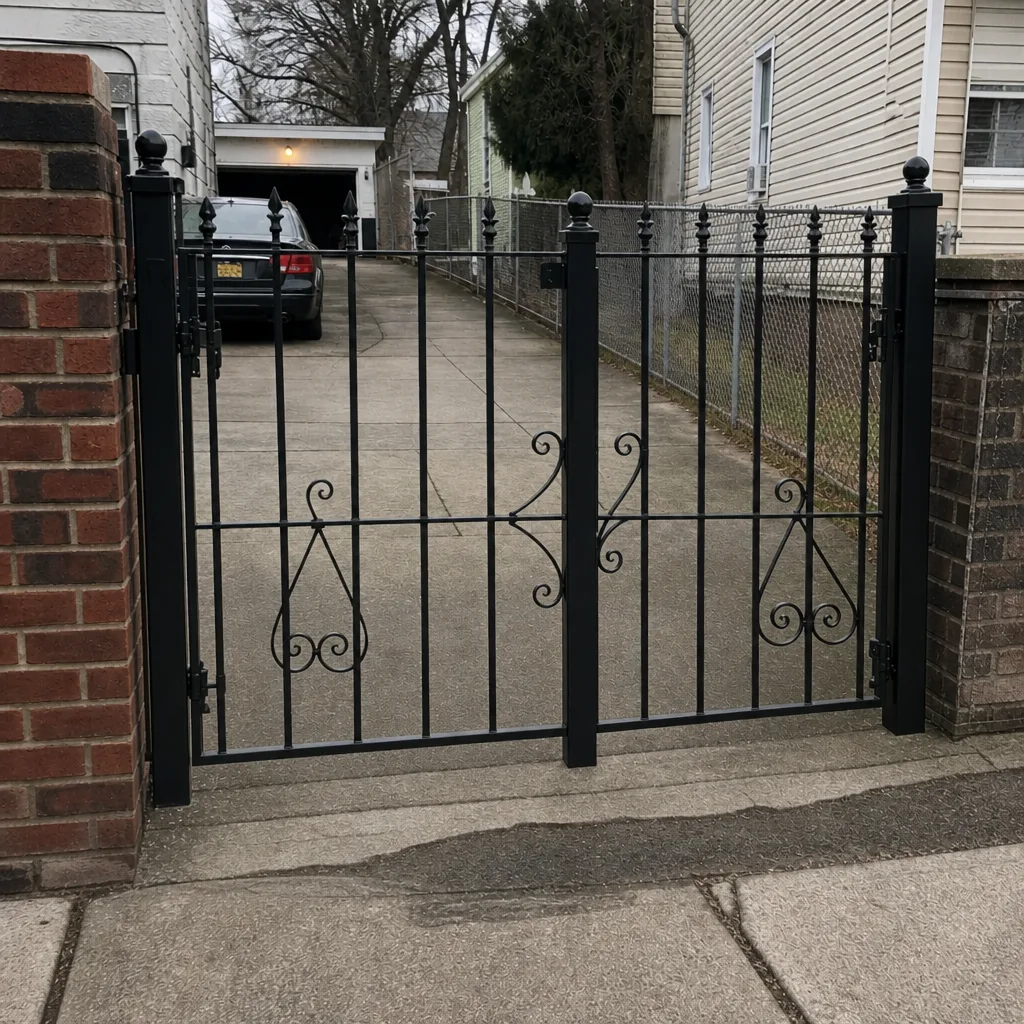 After
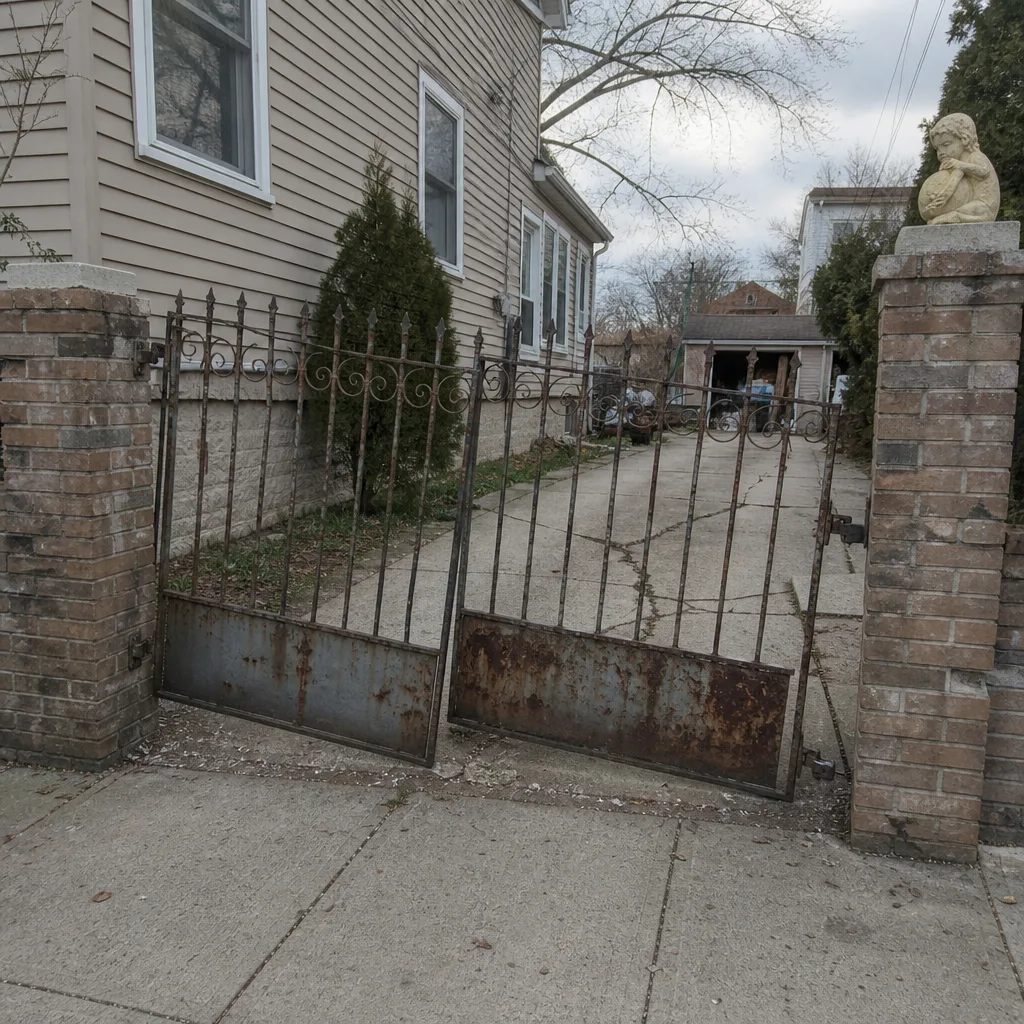 Before
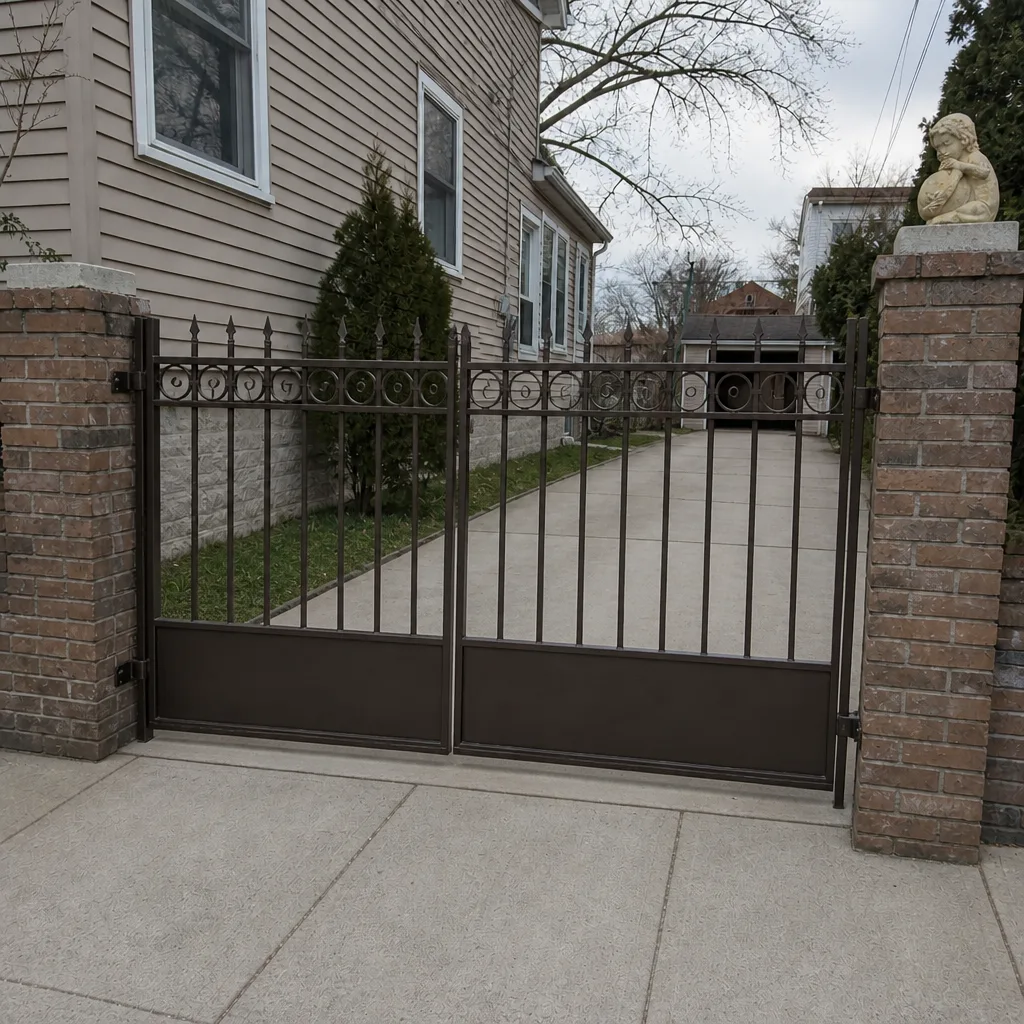 After
When to Call a Professional
Call a professional whenever the gate is structurally unstable, the operator’s power or wiring looks damaged, a heavy panel is off its hinges or track, or a vehicle or person is trapped. Call when the gate reverses or labors unpredictably, when you can’t operate the manual release safely, or when you simply don’t know the gate’s brand and model and want a proper diagnosis before touching it. For a routine diagnosis or an emergency, our Gate Repair Jersey City team is gate-only, and we can help arrange gate repair as well as electric gate repair, since automated systems are our core work. Gate Repair Jersey City offers free estimates in Jersey City, and we serve properties across Jersey City neighborhoods. Call (855) 701-9639. We answer 24/7 and run fast dispatch from 7am to 7pm, Sunday through Friday, and we quote and agree the price before any work starts.
Frequently Asked Questions
It depends on the operator: some use a keyed release or lever on the housing, some use a release key and handle, and battery-backed models from brands like Ghost Controls include an emergency release. Read your operator’s model manual to find the exact procedure, then test it on a calm day so you know the feel before an emergency.
Yes, if the operator has a manual release you can work safely, and that’s exactly why you test it in advance. Follow the manufacturer’s disengage procedure, push the gate by hand, and re-engage the drive afterward. If the release won’t budge or the wiring looks damaged, don’t force it; call (855) 701-9639 and we’ll advise.
Secure the opening with a proper prop or barrier, close and lock whatever the gate protects, and keep the gate’s path clear. Don’t force the mechanism or crawl into a damaged gate. Then call to book the repair; a call outside dispatch hours is booked into the next opening, Sunday through Friday, 7am to 7pm, and we answer the phone 24/7.
Call a gate specialist whenever the gate is powered or automated, the panels or posts are unstable, or the operator’s wiring or power looks compromised. A gate-only specialist diagnoses before quoting and knows the brand-specific failure patterns, which reduces the chance of a repeat visit.
Same-day service is often possible for repair calls, depending on when you call and the part the fix needs. Have the gate brand, model, and symptom ready when you call (855) 701-9639 so we can dispatch the right technician first time; we quote before any work starts.
We work on LiftMaster, FAAC, BFT, Linear, Viking, Ghost Controls, DoorKing, Elite, and Mighty Mule. Working across these distinct manufacturer systems builds the pattern recognition that makes diagnosis faster, so a homeowner is less likely to hear that their brand isn’t covered.
The Bottom Line
A gate emergency in Jersey City resolves in an hour or stretches into days, and preparation is what tips the difference. Locate and test your manual release now so you can work it under pressure. Document the gate’s brand, model, release method, and power on an emergency card the whole household can find. When a gate is stuck open, harden it with a real prop and barrier, not a chair, and label the stopgap as temporary. Triage storm damage from a safe distance, and leave unstable panels and live wiring to a technician. When you call, lead with the gate type, brand, symptom, and whether a vehicle or person is trapped, so the right technician and parts come first time. Do all that, and the worst hour on your gate becomes a clean repair instead of a long exposure. We’d rather you call before you need to than after something fails.
Contact
If your gate is stuck, unstable, or failing and you need a specialist who knows your system, call (855) 701-9639 for a free estimate. We answer 24/7 and run fast dispatch from 7am to 7pm, Sunday through Friday. The price is quoted and agreed before any work starts. Keep this guide handy, build your emergency card, and the next gate failure won’t catch you out.
Written by the team at Gate Repair Jersey City.